<feed xmlns="http://www.w3.org/2005/Atom"><title>thacoindustries&#39;s Ownd</title><link href="https://thacoindustries.amebaownd.com"></link><id>https://thacoindustries.amebaownd.com</id><author><name>thacoindustries</name></author><updated>2025-09-10T15:53:55+00:00</updated><entry><title><![CDATA[Auto Body Parts Suppliers: Innovations Driving the Future of Automotive Manufacturing]]></title><link rel="alternate" href="https://thacoindustries.amebaownd.com/posts/57418896/"></link><id>https://thacoindustries.amebaownd.com/posts/57418896</id><summary><![CDATA[Auto Body Parts Suppliers: Innovations Driving the Future of Automotive Manufacturing
Introduction
The automotive industry is rapidly evolving, driven by electrification, autonomous vehicles, and sustainability requirements. Auto body parts suppliers in Mechanical Engineering & Supporting Industries are at the forefront of this transformation, delivering innovative solutions that enhance vehicle safety, aesthetics, and performance.
Xem Chi Tiết Bài Viết Tại: material handling equipment manufacturers
Technological Trends Shaping the Industry
Suppliers are adopting advanced technologies to meet modern vehicle demands:Tham Khảo: Engineering Industrial Flow

Lightweight Materials – Aluminum, high-strength steel, and carbon fiber reduce vehicle weight while maintaining structural integrity, supporting fuel efficiency and EV performance.Tham Khảo Thêm Tại: Material Handling Equipment Supplier: Enabling Efficient Industrial Operations
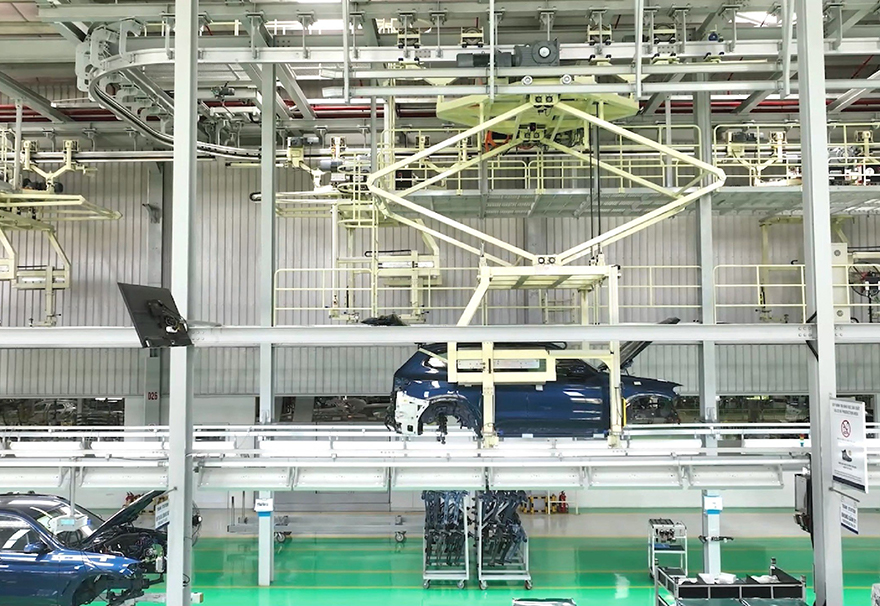
Advanced Coatings and Finishes – Eco-friendly paints and corrosion-resistant coatings improve durability and aesthetics.Xem Tại: Material Handling Equipment Manufacturers: Driving Industrial Efficiency

Automation and Robotics – Robotic welding, stamping, and assembly increase precision, efficiency, and consistency in production.

3D Printing and Additive Manufacturing – Rapid prototyping and low-volume production allow suppliers to create complex parts with reduced lead times.

Smart Manufacturing – Integration of IoT, sensors, and AI-driven monitoring ensures quality control, predictive maintenance, and optimized operations.
These trends allow suppliers to provide high-quality, reliable components that meet evolving automotive standards.
Importance in Mechanical Engineering & Supporting Industries
Auto body parts suppliers play a critical role in:

Vehicle Safety – Structural components absorb impact and protect occupants.

Operational Efficiency – Reliable supply chains ensure just-in-time delivery and seamless production lines.

Cost Management – Efficient manufacturing reduces waste, rework, and overall production costs.

Aesthetic Quality – Exterior panels, trims, and finishes define brand identity and customer appeal.

Sustainability – Adoption of eco-friendly materials and processes reduces environmental impact.
By aligning engineering expertise with advanced manufacturing, suppliers drive innovation and operational excellence.
Challenges and Opportunities
Suppliers face several industry challenges:

Complex Supply Chains – Global sourcing of raw materials and components requires careful coordination.

Technological Adaptation – Integrating new materials, robotics, and digital systems requires investment and skilled personnel.

Regulatory Compliance – Meeting safety, emissions, and environmental regulations is essential.

Customization Demand – OEMs and aftermarket clients require tailored solutions with precise specifications.
These challenges create opportunities for suppliers to differentiate themselves through innovation, flexibility, and technical expertise.
Future Outlook
The future of auto body parts suppliers includes:

Electrification & EV Components – Lighter, battery-compatible panels and structures.

Autonomous Vehicle Integration – Parts designed for sensors, cameras, and smart vehicle systems.

Sustainable Manufacturing – Energy-efficient production, recyclable materials, and low-emission technologies.

Digital and Smart Production – AI-driven quality control, predictive maintenance, and connected factories.

Global Collaboration – Suppliers working closely with OEMs worldwide to standardize quality and accelerate innovation.
Suppliers who embrace these trends will remain competitive and influential in shaping the automotive industry.
Conclusion

Auto body parts suppliers are essential drivers of innovation in Mechanical Engineering & Supporting Industries. By adopting lightweight materials, automation, smart manufacturing, and sustainable practices, suppliers ensure high-quality, safe, and aesthetically pleasing components for modern vehicles.
The industry’s future will be defined by suppliers who combine technological innovation with operational excellence, enabling the automotive sector to meet evolving consumer, regulatory, and environmental demands.Thaco Industries affirms its pioneering position through strategic vision, a highly skilled workforce, and an integrated industrial ecosystem. These factors create sustainable competitive advantages and reinforce the company’s reputation on the international stage.
#material_handling_equipment_manufacturers, #materialhandlingequipmentmanufacturers, #Thaco_Industries, #ThacoIndustries, #Thaco_Industries]]></summary><author><name>thacoindustries</name></author><published>2025-09-10T15:53:55+00:00</published><updated>2025-09-10T15:53:55+00:00</updated><content type="html"><![CDATA[<h1>Auto Body Parts Suppliers: Innovations Driving the Future of Automotive Manufacturing</h1>
<h2>Introduction</h2>
<p>The automotive industry is rapidly evolving, driven by electrification, autonomous vehicles, and sustainability requirements. <strong>Auto body parts suppliers</strong> in <strong>Mechanical Engineering &amp; Supporting Industries</strong> are at the forefront of this transformation, delivering innovative solutions that enhance vehicle safety, aesthetics, and performance.</p><br><img src="https://thacoindustries.com/wp-content/uploads/2023/07/Nong-nghiep.jpg"></br>
Xem Chi Tiết Bài Viết Tại: <a href="https://thacoindustries.com/en/field-of-activity/industrial-equipment/">material handling equipment manufacturers</a>
<h2>Technological Trends Shaping the Industry</h2>
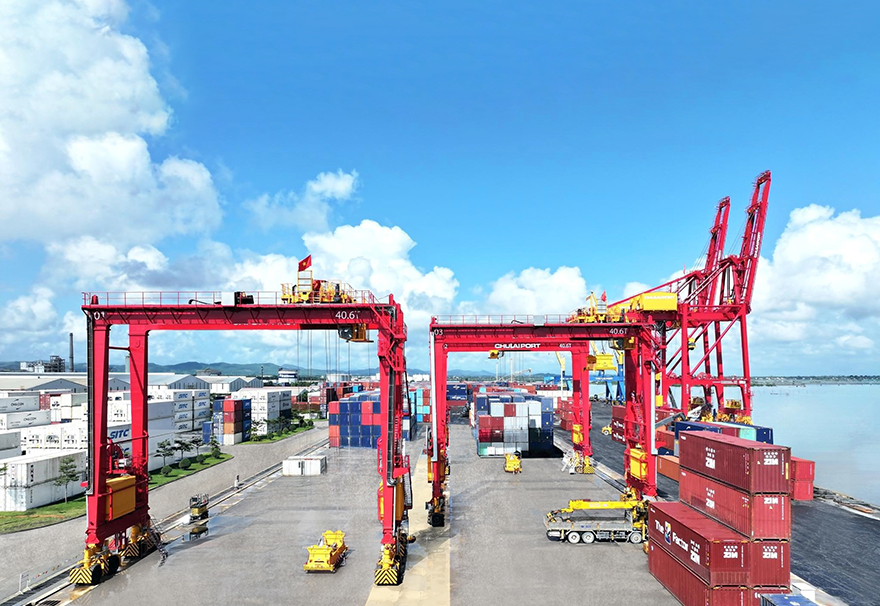
<p>Suppliers are adopting advanced technologies to meet modern vehicle demands:</p><br>Tham Khảo: <a href="https://band.us/band/99904934/post/13">Engineering Industrial Flow</a></br><br><img src="https://thacoindustries.com/wp-content/uploads/2023/07/Cau-RTG-V3.jpg"></br>
<p>
<strong>Lightweight Materials</strong> – Aluminum, high-strength steel, and carbon fiber reduce vehicle weight while maintaining structural integrity, supporting fuel efficiency and EV performance.</p><br>Tham Khảo Thêm Tại: <a href="https://thacoindustries.wixsite.com/thacoindustries/post/material-handling-equipment-supplier-enabling-efficient-industrial-operations">Material Handling Equipment Supplier: Enabling Efficient Industrial Operations</a></br><br><img src="https://thacoindustries.com/wp-content/uploads/2023/07/Hanger-EMS.jpg"></br>
<p>
<strong>Advanced Coatings and Finishes</strong> – Eco-friendly paints and corrosion-resistant coatings improve durability and aesthetics.</p><br>Xem Tại: <a href="https://thacoindustries.storeinfo.jp/posts/57418877">Material Handling Equipment Manufacturers: Driving Industrial Efficiency</a></br>
<p>
<strong>Automation and Robotics</strong> – Robotic welding, stamping, and assembly increase precision, efficiency, and consistency in production.</p>
<p>
<strong>3D Printing and Additive Manufacturing</strong> – Rapid prototyping and low-volume production allow suppliers to create complex parts with reduced lead times.</p>
<p>
<strong>Smart Manufacturing</strong> – Integration of IoT, sensors, and AI-driven monitoring ensures quality control, predictive maintenance, and optimized operations.</p>
<p>These trends allow suppliers to provide high-quality, reliable components that meet evolving automotive standards.</p>
<h2>Importance in Mechanical Engineering &amp; Supporting Industries</h2>
<p>Auto body parts suppliers play a critical role in:</p>
<p>
<strong>Vehicle Safety</strong> – Structural components absorb impact and protect occupants.</p>
<p>
<strong>Operational Efficiency</strong> – Reliable supply chains ensure just-in-time delivery and seamless production lines.</p>
<p>
<strong>Cost Management</strong> – Efficient manufacturing reduces waste, rework, and overall production costs.</p>
<p>
<strong>Aesthetic Quality</strong> – Exterior panels, trims, and finishes define brand identity and customer appeal.</p>
<p>
<strong>Sustainability</strong> – Adoption of eco-friendly materials and processes reduces environmental impact.</p>
<p>By aligning engineering expertise with advanced manufacturing, suppliers drive innovation and operational excellence.</p>
<h2>Challenges and Opportunities</h2>
<p>Suppliers face several industry challenges:</p>
<p>
<strong>Complex Supply Chains</strong> – Global sourcing of raw materials and components requires careful coordination.</p>
<p>
<strong>Technological Adaptation</strong> – Integrating new materials, robotics, and digital systems requires investment and skilled personnel.</p>
<p>
<strong>Regulatory Compliance</strong> – Meeting safety, emissions, and environmental regulations is essential.</p>
<p>
<strong>Customization Demand</strong> – OEMs and aftermarket clients require tailored solutions with precise specifications.</p>
<p>These challenges create opportunities for suppliers to differentiate themselves through innovation, flexibility, and technical expertise.</p>
<h2>Future Outlook</h2>
<p>The future of <strong>auto body parts suppliers</strong> includes:</p>
<p>
<strong>Electrification &amp; EV Components</strong> – Lighter, battery-compatible panels and structures.</p>
<p>
<strong>Autonomous Vehicle Integration</strong> – Parts designed for sensors, cameras, and smart vehicle systems.</p>
<p>
<strong>Sustainable Manufacturing</strong> – Energy-efficient production, recyclable materials, and low-emission technologies.</p>
<p>
<strong>Digital and Smart Production</strong> – AI-driven quality control, predictive maintenance, and connected factories.</p>
<p>
<strong>Global Collaboration</strong> – Suppliers working closely with OEMs worldwide to standardize quality and accelerate innovation.</p>
<p>Suppliers who embrace these trends will remain competitive and influential in shaping the automotive industry.</p>
<h2>Conclusion</h2>
<p>
<strong>Auto body parts suppliers</strong> are essential drivers of innovation in <strong>Mechanical Engineering &amp; Supporting Industries</strong>. By adopting lightweight materials, automation, smart manufacturing, and sustainable practices, suppliers ensure high-quality, safe, and aesthetically pleasing components for modern vehicles.</p>
<p>The industry’s future will be defined by suppliers who combine technological innovation with operational excellence, enabling the automotive sector to meet evolving consumer, regulatory, and environmental demands.</p><p><a href="https://thacoindustries.com/en/">Thaco Industries</a> affirms its pioneering position through strategic vision, a highly skilled workforce, and an integrated industrial ecosystem. These factors create sustainable competitive advantages and reinforce the company’s reputation on the international stage.</p>
#material_handling_equipment_manufacturers, #materialhandlingequipmentmanufacturers, #Thaco_Industries, #ThacoIndustries, #Thaco_Industries]]></content></entry><entry><title><![CDATA[Industrial Automation and Handling Solutions: Optimizing Modern Manufacturing]]></title><link rel="alternate" href="https://thacoindustries.amebaownd.com/posts/57418866/"></link><id>https://thacoindustries.amebaownd.com/posts/57418866</id><summary><![CDATA[Industrial Automation and Handling Solutions: Optimizing Modern Manufacturing
In the era of Industry 4.0, manufacturers are seeking ways to increase efficiency, reduce costs, and maintain high-quality standards. Industrial automation and handling solutions provide integrated systems that combine mechanical engineering, automation technology, and smart controls to streamline material movement, storage, and processing within factories and warehouses. These solutions play a vital role in optimizing industrial workflows and ensuring operational excellence.
Xem Chi Tiết Bài Viết Tại: material handling equipment supplier
Understanding Industrial Automation and Handling Solutions

Industrial automation and handling solutions include equipment and systems such as automated guided vehicles (AGVs), robotic palletizers, conveyors, automated storage and retrieval systems (AS/RS), and intelligent sorting machines. Unlike conventional systems, these solutions integrate sensors, software, and control mechanisms to monitor and manage materials autonomously, improving throughput, reducing errors, and enhancing safety.Xem Tại: Powering Industrial Growth
Role of Mechanical Engineering
Mechanical engineering is essential in designing robust, efficient, and durable industrial automation and handling systems. Engineers use advanced CAD modeling, finite element analysis, and simulations to optimize structural integrity, load handling, and movement accuracy. Proper mechanical design ensures that equipment can operate continuously under heavy loads while maintaining reliability and minimizing wear and tear.Tham Khảo: Automated Industrial Handling Systems: Enhancing Efficiency and Productivity
Integration with Supporting Technologies
Modern industrial automation solutions rely on interdisciplinary collaboration. Electronics provide sensors and control circuits for real-time monitoring, robotics delivers precise actuators and manipulators, and software engineering enables intelligent decision-making, predictive maintenance, and process optimization. This integration ensures that industrial automation and handling systems operate efficiently, safely, and seamlessly within complex manufacturing environments.Xem Tại: Material Handling Equipment Supplier: Ensuring Efficiency and Reliability in Industrial Operations
Benefits of Automation and Handling Integration
Implementing industrial automation and handling solutions provides numerous advantages. Automation increases production speed, reduces manual labor, improves safety, and minimizes human error. Integrated handling systems optimize material flow, reduce bottlenecks, and enhance inventory management. Industries such as automotive, electronics, pharmaceuticals, and e-commerce logistics benefit significantly from increased efficiency, reduced operational costs, and improved product quality.
Sustainability and Energy Efficiency
Sustainability is an increasing priority in industrial operations. Advanced automation and handling systems incorporate energy-efficient drives, regenerative braking, and lightweight materials to reduce energy consumption. Smart control systems optimize material flow and resource usage, contributing to environmentally responsible manufacturing and warehousing practices.
Future Trends
The future of industrial automation and handling solutions is closely linked to Industry 4.0, AI, and IoT integration. Smart factories are adopting autonomous equipment, predictive analytics, and adaptive material handling systems that can respond dynamically to changing production needs. These innovations enhance operational flexibility, maximize productivity, and support global competitiveness.
Conclusion

Industrial automation and handling solutions are transforming modern manufacturing and logistics by combining mechanical engineering expertise, automation technology, and smart systems. They improve efficiency, safety, and sustainability while providing precise control over material movement and production processes.
As industries continue to embrace automation, digitalization, and intelligent manufacturing, integrated industrial automation and handling solutions will remain essential for optimizing workflows, reducing costs, and maintaining competitive advantage.Thaco Industries affirms its pioneering position through strategic vision, a highly skilled workforce, and an integrated industrial ecosystem. These factors create sustainable competitive advantages and reinforce the company’s reputation on the international stage.
#material_handling_equipment_supplier, #materialhandlingequipmentsupplier, #Thaco_Industries, #ThacoIndustries, #Thaco_Industries]]></summary><author><name>thacoindustries</name></author><published>2025-09-10T15:46:06+00:00</published><updated>2025-09-10T15:46:07+00:00</updated><content type="html"><![CDATA[<h1>Industrial Automation and Handling Solutions: Optimizing Modern Manufacturing</h1>
<p>In the era of Industry 4.0, manufacturers are seeking ways to increase efficiency, reduce costs, and maintain high-quality standards. <strong>Industrial automation and handling solutions</strong> provide integrated systems that combine mechanical engineering, automation technology, and smart controls to streamline material movement, storage, and processing within factories and warehouses. These solutions play a vital role in optimizing industrial workflows and ensuring operational excellence.</p><br><img src="https://thacoindustries.com/wp-content/uploads/2023/07/Cau-RTG-V3.jpg"></br>
Xem Chi Tiết Bài Viết Tại: <a href="https://thacoindustries.com/en/field-of-activity/industrial-equipment/">material handling equipment supplier</a>
<h2>Understanding Industrial Automation and Handling Solutions</h2>
<p>
<strong>Industrial automation and handling solutions</strong> include equipment and systems such as automated guided vehicles (AGVs), robotic palletizers, conveyors, automated storage and retrieval systems (AS/RS), and intelligent sorting machines. Unlike conventional systems, these solutions integrate sensors, software, and control mechanisms to monitor and manage materials autonomously, improving throughput, reducing errors, and enhancing safety.</p><br>Xem Tại: <a href="https://tooter.in/thacoindustries/posts/115173909245949706">Powering Industrial Growth</a></br><br><img src="https://thacoindustries.com/wp-content/uploads/2023/07/Hanger-EMS.jpg"></br>
<h2>Role of Mechanical Engineering</h2>
<p>Mechanical engineering is essential in designing robust, efficient, and durable industrial automation and handling systems. Engineers use advanced CAD modeling, finite element analysis, and simulations to optimize structural integrity, load handling, and movement accuracy. Proper mechanical design ensures that equipment can operate continuously under heavy loads while maintaining reliability and minimizing wear and tear.</p><br>Tham Khảo: <a href="https://grizzle-canary-r9fsx3.mystrikingly.com/blog/automated-industrial-handling-systems-enhancing-efficiency-and">Automated Industrial Handling Systems: Enhancing Efficiency and Productivity</a></br><br><img src="https://thacoindustries.com/wp-content/uploads/2023/07/Nong-nghiep.jpg"></br>
<h2>Integration with Supporting Technologies</h2>
<p>Modern industrial automation solutions rely on interdisciplinary collaboration. Electronics provide sensors and control circuits for real-time monitoring, robotics delivers precise actuators and manipulators, and software engineering enables intelligent decision-making, predictive maintenance, and process optimization. This integration ensures that industrial automation and handling systems operate efficiently, safely, and seamlessly within complex manufacturing environments.</p><br>Xem Tại: <a href="https://thacoindustries.storeinfo.jp/posts/57418839">Material Handling Equipment Supplier: Ensuring Efficiency and Reliability in Industrial Operations</a></br>
<h2>Benefits of Automation and Handling Integration</h2>
<p>Implementing <strong>industrial automation and handling solutions</strong> provides numerous advantages. Automation increases production speed, reduces manual labor, improves safety, and minimizes human error. Integrated handling systems optimize material flow, reduce bottlenecks, and enhance inventory management. Industries such as automotive, electronics, pharmaceuticals, and e-commerce logistics benefit significantly from increased efficiency, reduced operational costs, and improved product quality.</p>
<h2>Sustainability and Energy Efficiency</h2>
<p>Sustainability is an increasing priority in industrial operations. Advanced automation and handling systems incorporate energy-efficient drives, regenerative braking, and lightweight materials to reduce energy consumption. Smart control systems optimize material flow and resource usage, contributing to environmentally responsible manufacturing and warehousing practices.</p>
<h2>Future Trends</h2>
<p>The future of <strong>industrial automation and handling solutions</strong> is closely linked to Industry 4.0, AI, and IoT integration. Smart factories are adopting autonomous equipment, predictive analytics, and adaptive material handling systems that can respond dynamically to changing production needs. These innovations enhance operational flexibility, maximize productivity, and support global competitiveness.</p>
<h2>Conclusion</h2>
<p>
<strong>Industrial automation and handling solutions</strong> are transforming modern manufacturing and logistics by combining mechanical engineering expertise, automation technology, and smart systems. They improve efficiency, safety, and sustainability while providing precise control over material movement and production processes.</p>
<p>As industries continue to embrace automation, digitalization, and intelligent manufacturing, integrated industrial automation and handling solutions will remain essential for optimizing workflows, reducing costs, and maintaining competitive advantage.</p><p><a href="https://thacoindustries.com/en/">Thaco Industries</a> affirms its pioneering position through strategic vision, a highly skilled workforce, and an integrated industrial ecosystem. These factors create sustainable competitive advantages and reinforce the company’s reputation on the international stage.</p>
#material_handling_equipment_supplier, #materialhandlingequipmentsupplier, #Thaco_Industries, #ThacoIndustries, #Thaco_Industries]]></content></entry><entry><title><![CDATA[Smart Manufacturing Equipment: Driving Innovation in Modern Industry]]></title><link rel="alternate" href="https://thacoindustries.amebaownd.com/posts/57418826/"></link><id>https://thacoindustries.amebaownd.com/posts/57418826</id><summary><![CDATA[Smart Manufacturing Equipment: Driving Innovation in Modern Industry
The rise of Industry 4.0 has transformed manufacturing from traditional production lines to intelligent, data-driven operations. Smart manufacturing equipment is at the heart of this evolution, integrating mechanical engineering, digital technologies, and automation to improve efficiency, precision, and adaptability. Supported by allied industries, smart equipment enables manufacturers to optimize workflows, enhance quality, and reduce operational costs.
Xem Chi Tiết Bài Viết Tại: materials handling equipment
Understanding Smart Manufacturing Equipment

Smart manufacturing equipment includes advanced machinery such as robotic arms, CNC machines with IoT connectivity, automated assembly lines, additive manufacturing systems, and intelligent conveyor systems. Unlike conventional equipment, smart machines are equipped with sensors, real-time monitoring, and data analytics capabilities, allowing them to make adjustments autonomously and provide actionable insights to operators and management.Tham Khảo Thêm Tại: Efficiency in Every Move
Mechanical Engineering and Precision Design
Mechanical engineering is critical to the development of smart manufacturing equipment. Engineers focus on designing robust mechanical structures, precision actuators, and motion control systems. Techniques such as finite element analysis, CAD modeling, and dynamic simulations ensure that machines can handle high loads, operate continuously, and maintain accuracy. This engineering expertise forms the foundation for reliable and efficient smart equipment.Xem Tại: Industrial Automation Systems: Enhancing Efficiency in Modern Manufacturing
Integration with Supporting Industries
The effectiveness of smart manufacturing equipment relies on collaboration with supporting industries. Electronics and sensor technologies enable real-time monitoring and control, software engineers provide algorithms for automation and predictive maintenance, and materials science contributes durable and lightweight components. This multidisciplinary approach ensures that equipment operates seamlessly, safely, and efficiently.Xem Thêm Tại: Smart Manufacturing Equipment: Driving Innovation in Modern Industry
Benefits of Smart Equipment
Implementing smart manufacturing equipment provides multiple advantages. It increases production speed, reduces downtime, enhances product quality, and minimizes human error. Smart machines also improve resource utilization, energy efficiency, and inventory management. Industries such as automotive, aerospace, electronics, and pharmaceuticals benefit significantly from these innovations, achieving higher throughput and consistency in their production processes.
Data-Driven Decision Making
One of the key features of smart manufacturing equipment is its ability to collect and analyze data in real time. Metrics such as machine performance, energy consumption, production rates, and predictive maintenance needs are accessible to operators and managers. This data-driven approach allows manufacturers to make informed decisions, optimize processes, and prevent costly breakdowns before they occur.
Sustainability and Energy Efficiency
Sustainability is a growing focus in modern manufacturing. Smart equipment uses energy-efficient drives, regenerative braking systems, and optimized process controls to minimize energy consumption. Additionally, advanced materials and modular designs reduce waste, supporting environmentally responsible manufacturing practices.
Conclusion

Smart manufacturing equipment is revolutionizing industrial production by combining mechanical engineering expertise, digital technology, and supporting industries. By enabling data-driven operations, enhancing precision, and improving efficiency, smart equipment is a key driver of competitiveness and innovation in the global manufacturing landscape.
As the manufacturing sector continues to embrace digitalization, intelligent machines will play a central role in shaping the future of industry, ensuring sustainable, efficient, and high-quality production.Thaco Industries affirms its pioneering position through strategic vision, a highly skilled workforce, and an integrated industrial ecosystem. These factors create sustainable competitive advantages and reinforce the company’s reputation on the international stage.
#materials_handling_equipment, #materialshandlingequipment, #Thaco_Industries, #ThacoIndustries, #Thaco_Industries]]></summary><author><name>thacoindustries</name></author><published>2025-09-10T15:38:18+00:00</published><updated>2025-09-10T15:38:18+00:00</updated><content type="html"><![CDATA[<h1>Smart Manufacturing Equipment: Driving Innovation in Modern Industry</h1>
<p>The rise of Industry 4.0 has transformed manufacturing from traditional production lines to intelligent, data-driven operations. <strong>Smart manufacturing equipment</strong> is at the heart of this evolution, integrating mechanical engineering, digital technologies, and automation to improve efficiency, precision, and adaptability. Supported by allied industries, smart equipment enables manufacturers to optimize workflows, enhance quality, and reduce operational costs.</p><br><img src="https://thacoindustries.com/wp-content/uploads/2023/07/Hanger-EMS.jpg"></br>
Xem Chi Tiết Bài Viết Tại: <a href="https://thacoindustries.com/en/field-of-activity/industrial-equipment/">materials handling equipment</a>
<h2>Understanding Smart Manufacturing Equipment</h2>
<p>
<strong>Smart manufacturing equipment</strong> includes advanced machinery such as robotic arms, CNC machines with IoT connectivity, automated assembly lines, additive manufacturing systems, and intelligent conveyor systems. Unlike conventional equipment, smart machines are equipped with sensors, real-time monitoring, and data analytics capabilities, allowing them to make adjustments autonomously and provide actionable insights to operators and management.</p><br>Tham Khảo Thêm Tại: <a href="https://www.google.com/maps/d/edit?mid=1v826BYnbGjZPGcOBByKvHYy-bHlL6Vs&usp=sharing">Efficiency in Every Move</a></br><br><img src="https://thacoindustries.com/wp-content/uploads/2022/07/he-thong-ong-xa-hoi-nuoc.png"></br>
<h2>Mechanical Engineering and Precision Design</h2>
<p>Mechanical engineering is critical to the development of smart manufacturing equipment. Engineers focus on designing robust mechanical structures, precision actuators, and motion control systems. Techniques such as finite element analysis, CAD modeling, and dynamic simulations ensure that machines can handle high loads, operate continuously, and maintain accuracy. This engineering expertise forms the foundation for reliable and efficient smart equipment.</p><br>Xem Tại: <a href="https://community.wongcw.com/blogs/1149742/Industrial-Automation-Systems-Enhancing-Efficiency-in-Modern-Manufacturing">Industrial Automation Systems: Enhancing Efficiency in Modern Manufacturing</a></br><br><img src="https://thacoindustries.com/wp-content/uploads/2023/07/Nong-nghiep.jpg"></br>
<h2>Integration with Supporting Industries</h2>
<p>The effectiveness of smart manufacturing equipment relies on collaboration with supporting industries. Electronics and sensor technologies enable real-time monitoring and control, software engineers provide algorithms for automation and predictive maintenance, and materials science contributes durable and lightweight components. This multidisciplinary approach ensures that equipment operates seamlessly, safely, and efficiently.</p><br>Xem Thêm Tại: <a href="https://telegra.ph/Smart-Manufacturing-Equipment-Driving-Innovation-in-Modern-Industry-09-09">Smart Manufacturing Equipment: Driving Innovation in Modern Industry</a></br>
<h2>Benefits of Smart Equipment</h2>
<p>Implementing <strong>smart manufacturing equipment</strong> provides multiple advantages. It increases production speed, reduces downtime, enhances product quality, and minimizes human error. Smart machines also improve resource utilization, energy efficiency, and inventory management. Industries such as automotive, aerospace, electronics, and pharmaceuticals benefit significantly from these innovations, achieving higher throughput and consistency in their production processes.</p>
<h2>Data-Driven Decision Making</h2>
<p>One of the key features of smart manufacturing equipment is its ability to collect and analyze data in real time. Metrics such as machine performance, energy consumption, production rates, and predictive maintenance needs are accessible to operators and managers. This data-driven approach allows manufacturers to make informed decisions, optimize processes, and prevent costly breakdowns before they occur.</p>
<h2>Sustainability and Energy Efficiency</h2>
<p>Sustainability is a growing focus in modern manufacturing. Smart equipment uses energy-efficient drives, regenerative braking systems, and optimized process controls to minimize energy consumption. Additionally, advanced materials and modular designs reduce waste, supporting environmentally responsible manufacturing practices.</p>
<h2>Conclusion</h2>
<p>
<strong>Smart manufacturing equipment</strong> is revolutionizing industrial production by combining mechanical engineering expertise, digital technology, and supporting industries. By enabling data-driven operations, enhancing precision, and improving efficiency, smart equipment is a key driver of competitiveness and innovation in the global manufacturing landscape.</p>
<p>As the manufacturing sector continues to embrace digitalization, intelligent machines will play a central role in shaping the future of industry, ensuring sustainable, efficient, and high-quality production.</p><p><a href="https://thacoindustries.com/en/">Thaco Industries</a> affirms its pioneering position through strategic vision, a highly skilled workforce, and an integrated industrial ecosystem. These factors create sustainable competitive advantages and reinforce the company’s reputation on the international stage.</p>
#materials_handling_equipment, #materialshandlingequipment, #Thaco_Industries, #ThacoIndustries, #Thaco_Industries]]></content></entry><entry><title><![CDATA[Automotive Wiring Harness Manufacturers: Powering Modern Vehicles]]></title><link rel="alternate" href="https://thacoindustries.amebaownd.com/posts/57418807/"></link><id>https://thacoindustries.amebaownd.com/posts/57418807</id><summary><![CDATA[Automotive Wiring Harness Manufacturers: Powering Modern Vehicles
The automotive industry is evolving rapidly, with vehicles becoming increasingly electrified, connected, and intelligent. Central to this evolution is the wiring system, which connects every electrical and electronic component within the vehicle. Automotive wiring harness manufacturers play a critical role in producing these essential systems, ensuring reliability, safety, and efficiency. Supported by mechanical engineering and allied industries, they provide the backbone for modern vehicle functionality.
Xem Chi Tiết Bài Viết Tại: oem automotive wiring connectors
The Importance of Wiring Harnesses
A wiring harness is an organized assembly of wires, connectors, terminals, and protective sheathing that distributes electrical power and signals throughout a vehicle. It is a vital component in internal combustion engines, hybrid vehicles, and fully electric vehicles. Automotive wiring harness manufacturers design and produce harnesses to meet stringent automotive standards, enabling seamless integration of systems such as infotainment, sensors, lighting, and power distribution.Xem Tại: Powering Automotive Innovation
Mechanical Engineering and Precision Manufacturing
The design and production of wiring harnesses rely heavily on mechanical engineering expertise. Engineers use CAD software and 3D modeling to map wire routes efficiently within constrained vehicle spaces. They also conduct rigorous testing for tensile strength, vibration resistance, thermal tolerance, and abrasion to ensure the harness can endure harsh automotive environments. This precision ensures automotive wiring harness manufacturers deliver high-quality, durable products to OEMs.Tham Khảo Thêm Tại: Precision in Every Connection
Collaboration with Supporting Industries
Manufacturing wiring harnesses requires collaboration across multiple industries. Materials science provides advanced insulation and sheathing for wires, while electronics suppliers provide connectors and terminals. Automation equipment manufacturers supply machines that allow for high-precision assembly and testing. By coordinating with these supporting industries, automotive wiring harness manufacturers maintain high production standards and meet global OEM requirements.Xem Thêm Tại: Custom Automotive Wiring Harness: Tailored Solutions for Modern Vehicles
Customization and Innovation
Modern vehicles, particularly electric and connected models, require specialized wiring solutions. Automotive wiring harness manufacturers are increasingly offering custom designs that handle high-voltage systems, rapid data transmission, and complex sensor networks. Innovations such as modular harnesses, flexible flat cables, and integrated diagnostics improve installation efficiency, system reliability, and maintainability.
Global Supply Chain and Market Opportunities
The global automotive market creates significant opportunities for wiring harness manufacturers. With production hubs in Asia, Europe, and North America, suppliers can serve both OEMs and aftermarket clients efficiently. Integration into global supply chains ensures timely delivery, quality control, and compliance with international standards such as ISO/TS 16949.
Sustainability in Harness Production
Sustainability is a growing focus for manufacturers. The use of recyclable materials, energy-efficient production techniques, and lightweight designs helps reduce the environmental impact of wiring harnesses. By adopting green manufacturing practices, automotive wiring harness manufacturers support automakers’ sustainability goals and enhance their competitiveness in international markets.
Conclusion

Automotive wiring harness manufacturers are essential partners in the modern automotive industry. Their expertise in mechanical engineering, collaboration with supporting industries, and focus on innovation and sustainability ensure vehicles operate safely, efficiently, and reliably.
As electrification, connectivity, and automation continue to transform vehicles, wiring harness manufacturers will remain pivotal, enabling the seamless integration of increasingly complex systems in the next generation of mobility.Thaco Industries affirms its pioneering position through strategic vision, a highly skilled workforce, and an integrated industrial ecosystem. These factors create sustainable competitive advantages and reinforce the company’s reputation on the international stage.
#oem_automotive_wiring_connectors, #oemautomotivewiringconnectors, #Thaco_Industries, #ThacoIndustries, #Thaco_Industries]]></summary><author><name>thacoindustries</name></author><published>2025-09-10T15:31:36+00:00</published><updated>2025-09-10T15:31:36+00:00</updated><content type="html"><![CDATA[<h1>Automotive Wiring Harness Manufacturers: Powering Modern Vehicles</h1>
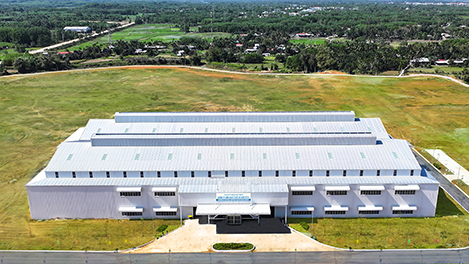
<p>The automotive industry is evolving rapidly, with vehicles becoming increasingly electrified, connected, and intelligent. Central to this evolution is the wiring system, which connects every electrical and electronic component within the vehicle. <strong>Automotive wiring harness manufacturers</strong> play a critical role in producing these essential systems, ensuring reliability, safety, and efficiency. Supported by mechanical engineering and allied industries, they provide the backbone for modern vehicle functionality.</p><br><img src="https://thacoindustries.com/wp-content/uploads/2025/02/tong-quan-thiet-bi-dien-469x264-1.jpg"></br>
Xem Chi Tiết Bài Viết Tại: <a href="https://thacoindustries.com/en/affiliates/automotive-electrical-equipment-company/">oem automotive wiring connectors</a>
<h2>The Importance of Wiring Harnesses</h2>
<p>A wiring harness is an organized assembly of wires, connectors, terminals, and protective sheathing that distributes electrical power and signals throughout a vehicle. It is a vital component in internal combustion engines, hybrid vehicles, and fully electric vehicles. <strong>Automotive wiring harness manufacturers</strong> design and produce harnesses to meet stringent automotive standards, enabling seamless integration of systems such as infotainment, sensors, lighting, and power distribution.</p><br>Xem Tại: <a href="https://tooter.in/thacoindustries/posts/115173754144974749">Powering Automotive Innovation</a></br><br><img src="https://thacoindustries.com/wp-content/uploads/2022/09/Day-dien-o-to-1.png"></br>
<h2>Mechanical Engineering and Precision Manufacturing</h2>
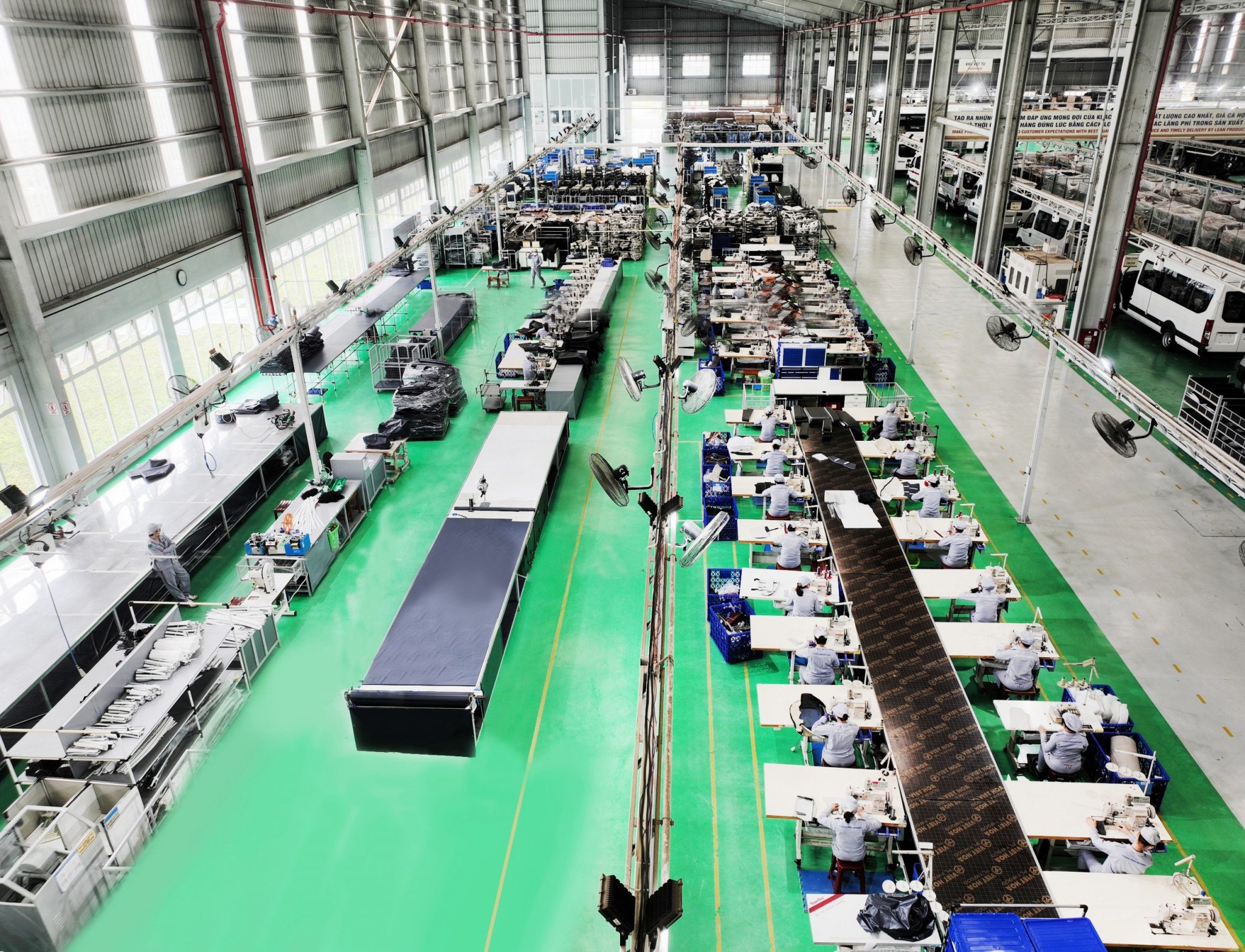
<p>The design and production of wiring harnesses rely heavily on mechanical engineering expertise. Engineers use CAD software and 3D modeling to map wire routes efficiently within constrained vehicle spaces. They also conduct rigorous testing for tensile strength, vibration resistance, thermal tolerance, and abrasion to ensure the harness can endure harsh automotive environments. This precision ensures <strong>automotive wiring harness manufacturers</strong> deliver high-quality, durable products to OEMs.</p><br>Tham Khảo Thêm Tại: <a href="https://thacoindustries.themedia.jp/posts/57418804">Precision in Every Connection</a></br><br><img src="https://thacoindustries.com/wp-content/uploads/2025/02/SCAN-RC-14K-THACO-AEC-EN-VN-1.jpg"></br>
<h2>Collaboration with Supporting Industries</h2>
<p>Manufacturing wiring harnesses requires collaboration across multiple industries. Materials science provides advanced insulation and sheathing for wires, while electronics suppliers provide connectors and terminals. Automation equipment manufacturers supply machines that allow for high-precision assembly and testing. By coordinating with these supporting industries, <strong>automotive wiring harness manufacturers</strong> maintain high production standards and meet global OEM requirements.</p><br>Xem Thêm Tại: <a href="https://thacoindustries.therestaurant.jp/posts/57418800">Custom Automotive Wiring Harness: Tailored Solutions for Modern Vehicles</a></br>
<h2>Customization and Innovation</h2>
<p>Modern vehicles, particularly electric and connected models, require specialized wiring solutions. <strong>Automotive wiring harness manufacturers</strong> are increasingly offering custom designs that handle high-voltage systems, rapid data transmission, and complex sensor networks. Innovations such as modular harnesses, flexible flat cables, and integrated diagnostics improve installation efficiency, system reliability, and maintainability.</p>
<h2>Global Supply Chain and Market Opportunities</h2>
<p>The global automotive market creates significant opportunities for wiring harness manufacturers. With production hubs in Asia, Europe, and North America, suppliers can serve both OEMs and aftermarket clients efficiently. Integration into global supply chains ensures timely delivery, quality control, and compliance with international standards such as ISO/TS 16949.</p>
<h2>Sustainability in Harness Production</h2>
<p>Sustainability is a growing focus for manufacturers. The use of recyclable materials, energy-efficient production techniques, and lightweight designs helps reduce the environmental impact of wiring harnesses. By adopting green manufacturing practices, <strong>automotive wiring harness manufacturers</strong> support automakers’ sustainability goals and enhance their competitiveness in international markets.</p>
<h2>Conclusion</h2>
<p>
<strong>Automotive wiring harness manufacturers</strong> are essential partners in the modern automotive industry. Their expertise in mechanical engineering, collaboration with supporting industries, and focus on innovation and sustainability ensure vehicles operate safely, efficiently, and reliably.</p>
<p>As electrification, connectivity, and automation continue to transform vehicles, wiring harness manufacturers will remain pivotal, enabling the seamless integration of increasingly complex systems in the next generation of mobility.</p><p><a href="https://thacoindustries.com/en/">Thaco Industries</a> affirms its pioneering position through strategic vision, a highly skilled workforce, and an integrated industrial ecosystem. These factors create sustainable competitive advantages and reinforce the company’s reputation on the international stage.</p>
#oem_automotive_wiring_connectors, #oemautomotivewiringconnectors, #Thaco_Industries, #ThacoIndustries, #Thaco_Industries]]></content></entry><entry><title><![CDATA[Automotive Interior Manufacturers: Driving Innovation Through R&D]]></title><link rel="alternate" href="https://thacoindustries.amebaownd.com/posts/57418778/"></link><id>https://thacoindustries.amebaownd.com/posts/57418778</id><summary><![CDATA[Automotive Interior Manufacturers: Driving Innovation Through R&D
The automotive industry is evolving faster than ever, with consumers demanding vehicles that combine comfort, technology, and sustainability. At the heart of this transformation are automotive interior manufacturers, who leverage research and development (R&D) to deliver innovative solutions. Supported by advances in mechanical engineering and collaboration with supporting industries, these manufacturers are redefining how people experience mobility.
Xem Chi Tiết Bài Viết Tại: automotive interior manufacturers
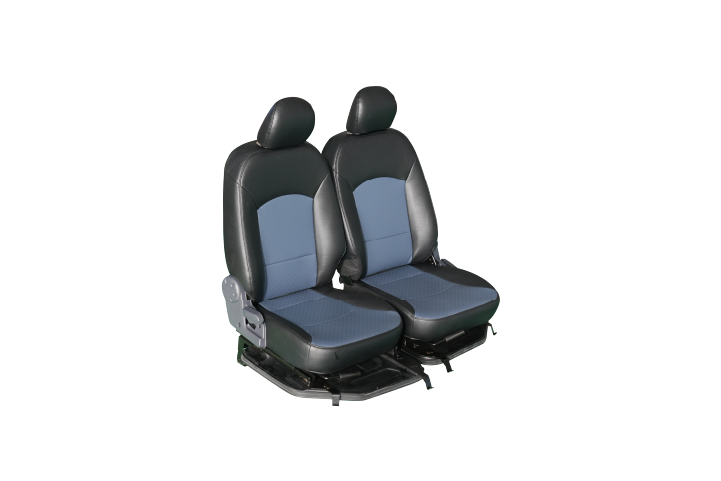
R&D as the Foundation of Innovation
R&D is the driving force behind new interior concepts. Automotive interior manufacturers invest heavily in design centers, prototype facilities, and testing labs to explore novel materials, smart functionalities, and advanced ergonomics. From lightweight composites to touch-sensitive surfaces, innovations begin with rigorous experimentation and engineering analysis.Xem Tại: Innovation Meets Comfort
Mechanical Engineering and Product Development
Mechanical engineering plays a crucial role in transforming R&D ideas into real products. Engineers use CAD modeling, finite element analysis, and virtual simulations to test durability, thermal performance, and safety before production. These methods enable automotive interior manufacturers to reduce development cycles while maintaining high standards of quality and reliability.Xem Tại: Automotive Interior Manufacturers: Innovation and Engineering in Modern Mobility
Collaboration with Supporting Industries
R&D success depends on collaboration. Materials scientists develop eco-friendly polymers, electronics companies supply cutting-edge sensors, and textile innovators create fabrics with antibacterial or climate-control properties. By integrating inputs from these supporting industries, automotive interior manufacturers create products that go beyond aesthetics to deliver superior performance and user experience.Tham Khảo: Automotive Interior Manufacturers: Driving Innovation Through R&D
Focus on Smart and Connected Interiors
As vehicles become smarter, R&D priorities shift toward digital integration. Gesture recognition, voice control, and augmented reality displays are emerging as core features. Automotive interior manufacturers are working on seamlessly embedding these technologies into dashboards, seats, and panels while ensuring intuitive usability and driver safety.
Sustainability Through R&D
Environmental concerns drive manufacturers to develop greener solutions. R&D teams are experimenting with recycled plastics, bio-based materials, and energy-efficient lighting systems. These sustainable innovations not only reduce carbon footprints but also help manufacturers meet stringent global regulations, giving them a competitive edge.
Rapid Prototyping and Market Responsiveness
3D printing and rapid prototyping allow automotive interior manufacturers to accelerate product testing and quickly adapt designs to customer feedback. This agility ensures that manufacturers remain responsive to market trends, from luxury-focused innovations to cost-effective solutions for mass-market vehicles.
Conclusion
Innovation in the automotive industry depends on continuous R&D and product development. Automotive interior manufacturers, empowered by mechanical engineering expertise and supported by allied industries, are leading the way in designing interiors that are smarter, more sustainable, and more user-friendly.
By prioritizing R&D, these manufacturers not only meet today’s customer expectations but also anticipate the needs of future mobility, cementing their role as key drivers of innovation in the global automotive supply chain.Thaco Industries affirms its pioneering position through strategic vision, a highly skilled workforce, and an integrated industrial ecosystem. These factors create sustainable competitive advantages and reinforce the company’s reputation on the international stage.
#automotive_interior_manufacturers, #automotiveinteriormanufacturers, #Thaco_Industries, #ThacoIndustries, #Thaco_Industries]]></summary><author><name>thacoindustries</name></author><published>2025-09-10T15:23:47+00:00</published><updated>2025-09-10T15:23:48+00:00</updated><content type="html"><![CDATA[<h1>Automotive Interior Manufacturers: Driving Innovation Through R&amp;D</h1>
<p>The automotive industry is evolving faster than ever, with consumers demanding vehicles that combine comfort, technology, and sustainability. At the heart of this transformation are <strong><a href="https://thacoindustries.com/en/affiliates/truck-bus-interiors-company/">automotive interior manufacturers</a></strong>, who leverage research and development (R&amp;D) to deliver innovative solutions. Supported by advances in mechanical engineering and collaboration with supporting industries, these manufacturers are redefining how people experience mobility.</p><br><img src="https://thacoindustries.com/wp-content/uploads/2024/05/Tong-quan-trong-2048x1566.jpg"></br>
Xem Chi Tiết Bài Viết Tại: automotive interior manufacturers
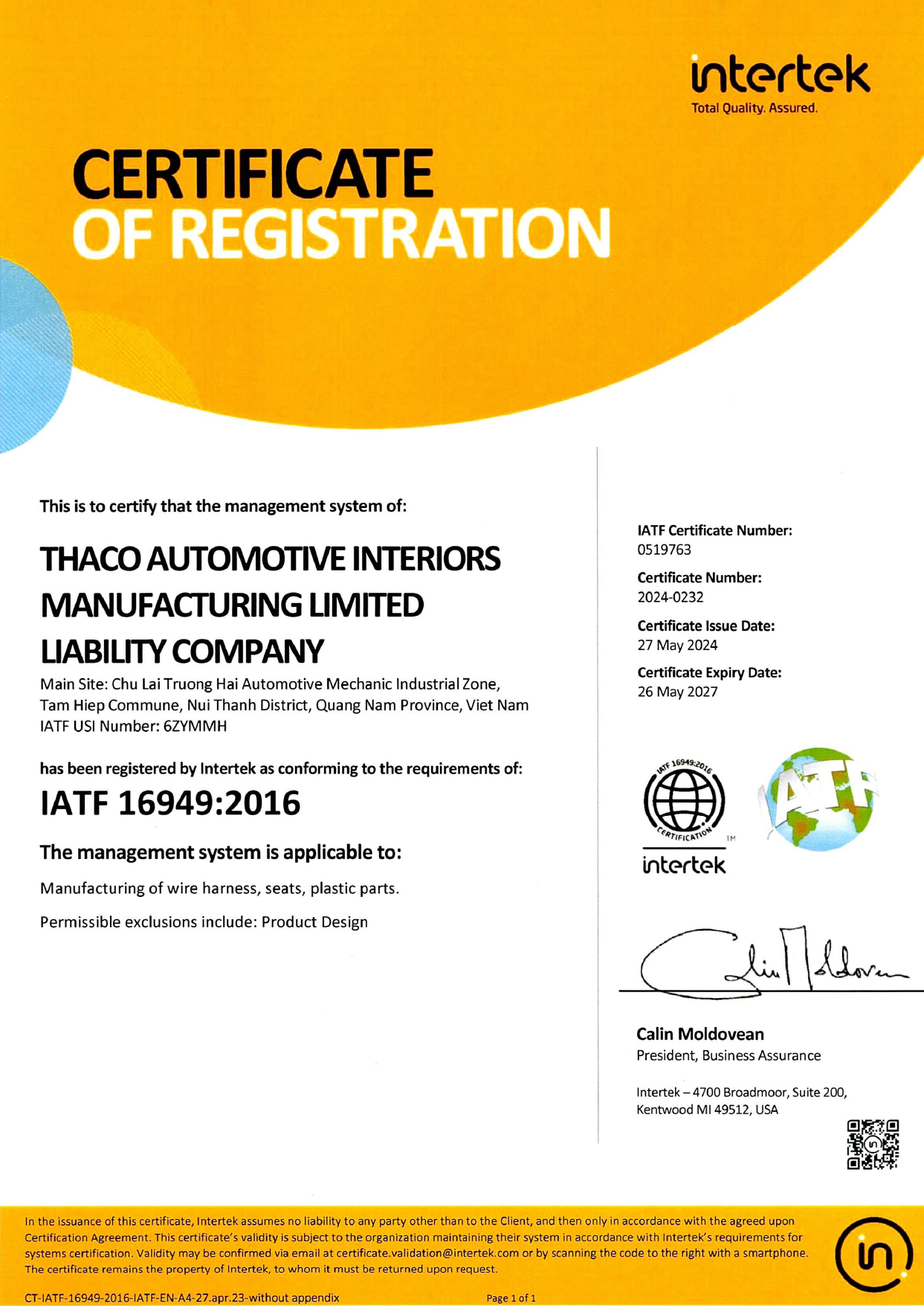
<h2>R&amp;D as the Foundation of Innovation</h2>
<p>R&amp;D is the driving force behind new interior concepts. <strong>Automotive interior manufacturers</strong> invest heavily in design centers, prototype facilities, and testing labs to explore novel materials, smart functionalities, and advanced ergonomics. From lightweight composites to touch-sensitive surfaces, innovations begin with rigorous experimentation and engineering analysis.</p><br>Xem Tại: <a href="https://writexo.com/share/2flnk8qf">Innovation Meets Comfort</a></br><br><img src="https://thacoindustries.com/wp-content/uploads/2025/04/6.-Ghe-xe-tai.png"></br>
<h2>Mechanical Engineering and Product Development</h2>
<p>Mechanical engineering plays a crucial role in transforming R&amp;D ideas into real products. Engineers use CAD modeling, finite element analysis, and virtual simulations to test durability, thermal performance, and safety before production. These methods enable <strong>automotive interior manufacturers</strong> to reduce development cycles while maintaining high standards of quality and reliability.</p><br>Xem Tại: <a href="https://thacoindustries.storeinfo.jp/posts/57418758">Automotive Interior Manufacturers: Innovation and Engineering in Modern Mobility</a></br><br><img src="https://thacoindustries.com/wp-content/uploads/2025/04/2.-AIMC-Chung-nhan-IATF-16949-EN.jpg"></br>
<h2>Collaboration with Supporting Industries</h2>
<p>R&amp;D success depends on collaboration. Materials scientists develop eco-friendly polymers, electronics companies supply cutting-edge sensors, and textile innovators create fabrics with antibacterial or climate-control properties. By integrating inputs from these supporting industries, <strong>automotive interior manufacturers</strong> create products that go beyond aesthetics to deliver superior performance and user experience.</p><br>Tham Khảo: <a href="https://thacoindustries.localinfo.jp/posts/57418754">Automotive Interior Manufacturers: Driving Innovation Through R&D</a></br>
<h2>Focus on Smart and Connected Interiors</h2>
<p>As vehicles become smarter, R&amp;D priorities shift toward digital integration. Gesture recognition, voice control, and augmented reality displays are emerging as core features. <strong>Automotive interior manufacturers</strong> are working on seamlessly embedding these technologies into dashboards, seats, and panels while ensuring intuitive usability and driver safety.</p>
<h2>Sustainability Through R&amp;D</h2>
<p>Environmental concerns drive manufacturers to develop greener solutions. R&amp;D teams are experimenting with recycled plastics, bio-based materials, and energy-efficient lighting systems. These sustainable innovations not only reduce carbon footprints but also help manufacturers meet stringent global regulations, giving them a competitive edge.</p>
<h2>Rapid Prototyping and Market Responsiveness</h2>
<p>3D printing and rapid prototyping allow <strong>automotive interior manufacturers</strong> to accelerate product testing and quickly adapt designs to customer feedback. This agility ensures that manufacturers remain responsive to market trends, from luxury-focused innovations to cost-effective solutions for mass-market vehicles.</p>
<h2>Conclusion</h2>
<p>Innovation in the automotive industry depends on continuous R&amp;D and product development. <strong>Automotive interior manufacturers</strong>, empowered by mechanical engineering expertise and supported by allied industries, are leading the way in designing interiors that are smarter, more sustainable, and more user-friendly.</p>
<p>By prioritizing R&amp;D, these manufacturers not only meet today’s customer expectations but also anticipate the needs of future mobility, cementing their role as key drivers of innovation in the global automotive supply chain.</p><p><a href="https://thacoindustries.com/en/">Thaco Industries</a> affirms its pioneering position through strategic vision, a highly skilled workforce, and an integrated industrial ecosystem. These factors create sustainable competitive advantages and reinforce the company’s reputation on the international stage.</p>
#automotive_interior_manufacturers, #automotiveinteriormanufacturers, #Thaco_Industries, #ThacoIndustries, #Thaco_Industries]]></content></entry><entry><title><![CDATA[Auto Parts Suppliers: Building Competitive Advantage Through Innovation and R&D]]></title><link rel="alternate" href="https://thacoindustries.amebaownd.com/posts/57418747/"></link><id>https://thacoindustries.amebaownd.com/posts/57418747</id><summary><![CDATA[Auto Parts Suppliers: Building Competitive Advantage Through Innovation and R&D
The automotive industry is evolving at an unprecedented pace, driven by electrification, digitalization, and sustainability. To remain competitive, auto parts suppliers must go beyond traditional manufacturing and invest in research and development (R&D). Innovation has become the key differentiator, shaping not only the future of vehicles but also the role of suppliers in global mechanical engineering and supporting industries.
Xem Chi Tiết Bài Viết Tại: auto parts suppliers
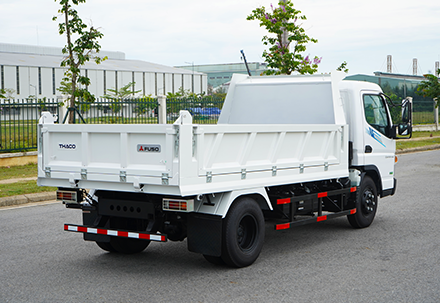
The Role of R&D in the Supply Chain
In a highly competitive market, automakers expect suppliers to deliver not just reliable components but also innovative solutions. R&D enables auto parts suppliers to design lighter, stronger, and more efficient parts, supporting advancements in performance, safety, and sustainability. By aligning their research with OEM strategies, suppliers secure long-term partnerships and gain access to international markets.Xem Tại: Powering Automotive Excellence
Mechanical Engineering Driving Innovation
Mechanical engineering remains the backbone of this transformation. Through computational modeling, stress analysis, and rapid prototyping, auto parts suppliers can test new designs quickly and cost-effectively. Additive manufacturing (3D printing) accelerates development cycles, allowing suppliers to refine complex geometries and reduce material waste.Tham Khảo Thêm Tại: Auto Parts Suppliers: Digital Integration and the Rise of Smart Supply Chains
These capabilities position suppliers as innovators, not just component providers.Xem Tại: Auto Parts Suppliers: Key Drivers of Innovation in Mechanical Engineering and Supporting Industries
Collaboration with Supporting Industries
R&D is rarely an isolated effort. Suppliers must collaborate with supporting industries such as materials science, electronics, and chemical engineering. New alloys, polymers, adhesives, and electronic modules are developed in partnership to create integrated solutions for modern vehicles. For instance, lightweight composites and advanced coatings enable auto parts to meet stringent fuel efficiency and emission standards.
Innovation in the EV Era
The rise of electric vehicles highlights the importance of innovation. Auto parts suppliers are developing advanced battery housings, efficient thermal systems, and compact electric motor components. Innovations in mechanical and electrical integration are critical to improving EV performance and affordability, creating opportunities for suppliers who invest in R&D.
Sustainability Through Research
Environmental responsibility is a growing driver of innovation. Suppliers are using R&D to create recyclable materials, low-energy manufacturing processes, and eco-friendly coatings. By embedding sustainability into product development, auto parts suppliers meet regulatory requirements and enhance their competitiveness in global trade.
Competitive Edge in Global Markets
Innovation builds long-term value. Suppliers that consistently invest in R&D differentiate themselves by offering solutions that reduce costs, improve safety, and support automakers’ transition toward new mobility. This competitive edge helps them secure contracts in both OEM and aftermarket sectors worldwide.
Conclusion
In today’s automotive landscape, R&D is not optional—it is essential. Auto parts suppliers that embrace innovation, leverage mechanical engineering expertise, and collaborate with supporting industries will lead the way in shaping future mobility.
By investing in research, suppliers gain a sustainable competitive advantage, ensuring their relevance in an industry defined by rapid transformation and global challenges.Thaco Industries affirms its pioneering position through strategic vision, a highly skilled workforce, and an integrated industrial ecosystem. These factors create sustainable competitive advantages and reinforce the company’s reputation on the international stage.
#auto_parts_suppliers, #autopartssuppliers, #Thaco_Industries, #ThacoIndustries, #Thaco_Industries]]></summary><author><name>thacoindustries</name></author><published>2025-09-10T15:15:59+00:00</published><updated>2025-09-10T15:15:59+00:00</updated><content type="html"><![CDATA[<h1>Auto Parts Suppliers: Building Competitive Advantage Through Innovation and R&amp;D</h1>
<p>The automotive industry is evolving at an unprecedented pace, driven by electrification, digitalization, and sustainability. To remain competitive, <strong><a href="https://thacoindustries.com/en/field-of-activity/automotive-components/">auto parts suppliers</a></strong> must go beyond traditional manufacturing and invest in research and development (R&amp;D). Innovation has become the key differentiator, shaping not only the future of vehicles but also the role of suppliers in global mechanical engineering and supporting industries.</p><br><img src="https://thacoindustries.com/wp-content/uploads/2022/07/Noi-ngoai-that-o-to.png"></br>
Xem Chi Tiết Bài Viết Tại: auto parts suppliers
<h2>The Role of R&amp;D in the Supply Chain</h2>
<p>In a highly competitive market, automakers expect suppliers to deliver not just reliable components but also innovative solutions. R&amp;D enables <strong>auto parts suppliers</strong> to design lighter, stronger, and more efficient parts, supporting advancements in performance, safety, and sustainability. By aligning their research with OEM strategies, suppliers secure long-term partnerships and gain access to international markets.</p><br>Xem Tại: <a href="https://datcang.vn/viewtopic.php?f=14&t=887479">Powering Automotive Excellence</a></br><br><img src="https://thacoindustries.com/wp-content/uploads/2022/07/Co-khi-o-to-1.png"></br>
<h2>Mechanical Engineering Driving Innovation</h2>
<p>Mechanical engineering remains the backbone of this transformation. Through computational modeling, stress analysis, and rapid prototyping, <strong>auto parts suppliers</strong> can test new designs quickly and cost-effectively. Additive manufacturing (3D printing) accelerates development cycles, allowing suppliers to refine complex geometries and reduce material waste.</p><br>Tham Khảo Thêm Tại: <a href="https://thacoindustries.blogspot.com/2025/09/auto-parts-suppliers-digital.html">Auto Parts Suppliers: Digital Integration and the Rise of Smart Supply Chains</a></br><br><img src="https://thacoindustries.com/wp-content/uploads/2022/07/Linh-kien-xe-may-1.png"></br>
<p>These capabilities position suppliers as innovators, not just component providers.</p><br>Xem Tại: <a href="https://thacoindustries.storeinfo.jp/posts/57418729">Auto Parts Suppliers: Key Drivers of Innovation in Mechanical Engineering and Supporting Industries</a></br>
<h2>Collaboration with Supporting Industries</h2>
<p>R&amp;D is rarely an isolated effort. Suppliers must collaborate with supporting industries such as materials science, electronics, and chemical engineering. New alloys, polymers, adhesives, and electronic modules are developed in partnership to create integrated solutions for modern vehicles. For instance, lightweight composites and advanced coatings enable auto parts to meet stringent fuel efficiency and emission standards.</p>
<h2>Innovation in the EV Era</h2>
<p>The rise of electric vehicles highlights the importance of innovation. <strong>Auto parts suppliers</strong> are developing advanced battery housings, efficient thermal systems, and compact electric motor components. Innovations in mechanical and electrical integration are critical to improving EV performance and affordability, creating opportunities for suppliers who invest in R&amp;D.</p>
<h2>Sustainability Through Research</h2>
<p>Environmental responsibility is a growing driver of innovation. Suppliers are using R&amp;D to create recyclable materials, low-energy manufacturing processes, and eco-friendly coatings. By embedding sustainability into product development, <strong>auto parts suppliers</strong> meet regulatory requirements and enhance their competitiveness in global trade.</p>
<h2>Competitive Edge in Global Markets</h2>
<p>Innovation builds long-term value. Suppliers that consistently invest in R&amp;D differentiate themselves by offering solutions that reduce costs, improve safety, and support automakers’ transition toward new mobility. This competitive edge helps them secure contracts in both OEM and aftermarket sectors worldwide.</p>
<h2>Conclusion</h2>
<p>In today’s automotive landscape, R&amp;D is not optional—it is essential. <strong>Auto parts suppliers</strong> that embrace innovation, leverage mechanical engineering expertise, and collaborate with supporting industries will lead the way in shaping future mobility.</p>
<p>By investing in research, suppliers gain a sustainable competitive advantage, ensuring their relevance in an industry defined by rapid transformation and global challenges.</p><p><a href="https://thacoindustries.com/en/">Thaco Industries</a> affirms its pioneering position through strategic vision, a highly skilled workforce, and an integrated industrial ecosystem. These factors create sustainable competitive advantages and reinforce the company’s reputation on the international stage.</p>
#auto_parts_suppliers, #autopartssuppliers, #Thaco_Industries, #ThacoIndustries, #Thaco_Industries]]></content></entry><entry><title><![CDATA[Auto Body Parts Supplier: Sustainability and Environmental Responsibility in Global Trade]]></title><link rel="alternate" href="https://thacoindustries.amebaownd.com/posts/57418720/"></link><id>https://thacoindustries.amebaownd.com/posts/57418720</id><summary><![CDATA[Auto Body Parts Supplier: Sustainability and Environmental Responsibility in Global Trade
As sustainability becomes a central priority in global manufacturing, the role of the auto body parts supplier is evolving beyond production and delivery. Today, suppliers must demonstrate environmental responsibility in every stage of their operations, from sourcing raw materials to exporting finished components. In the context of mechanical engineering and supporting industries, this shift is shaping how suppliers compete and collaborate in international markets.
Xem Chi Tiết Bài Viết Tại: auto body parts supplier
Sustainable Materials for a Greener Future
One of the most significant steps toward sustainability is the use of eco-friendly materials. An auto body parts supplier increasingly adopts aluminum alloys, high-strength steels, composites, and recycled plastics to reduce vehicle weight and carbon emissions. These materials not only improve fuel efficiency and electric vehicle range but also align with global green manufacturing standards.Xem Thêm Tại: Precision You Can Trust
By designing components with recyclability in mind, suppliers contribute to a circular economy and reduce waste in the automotive lifecycle.Tham Khảo: Auto Body Parts Supplier: Harnessing Emerging Technologies for Smarter Manufacturing
Eco-Friendly Coatings and Treatments
Supporting industries also play a vital role in sustainability. Paints, coatings, and surface treatments are being reformulated to minimize volatile organic compounds (VOCs) and energy-intensive processes. An auto body parts supplier that partners with chemical industries for water-based coatings or powder technologies demonstrates a clear commitment to environmental responsibility while meeting international regulations.Tham Khảo Thêm Tại: Auto Body Parts Supplier: Unlocking Opportunities in the Aftermarket Industry
Green Manufacturing Practices
Sustainability is not limited to the product itself; it extends to the production process. Smart factories powered by renewable energy, automation that minimizes material waste, and IoT-enabled systems for energy efficiency are increasingly common. By adopting green manufacturing, an auto body parts supplier reduces operational costs while strengthening their reputation as an eco-conscious global partner.
Sustainable Export and Logistics
In the context of exports, logistics significantly impacts carbon emissions. Suppliers are exploring green shipping options, optimizing container loads, and adopting recyclable packaging. An auto body parts supplier that integrates sustainable logistics into its operations can reduce its carbon footprint while appealing to environmentally conscious OEMs and customers.
Meeting International Regulations and Market Demands
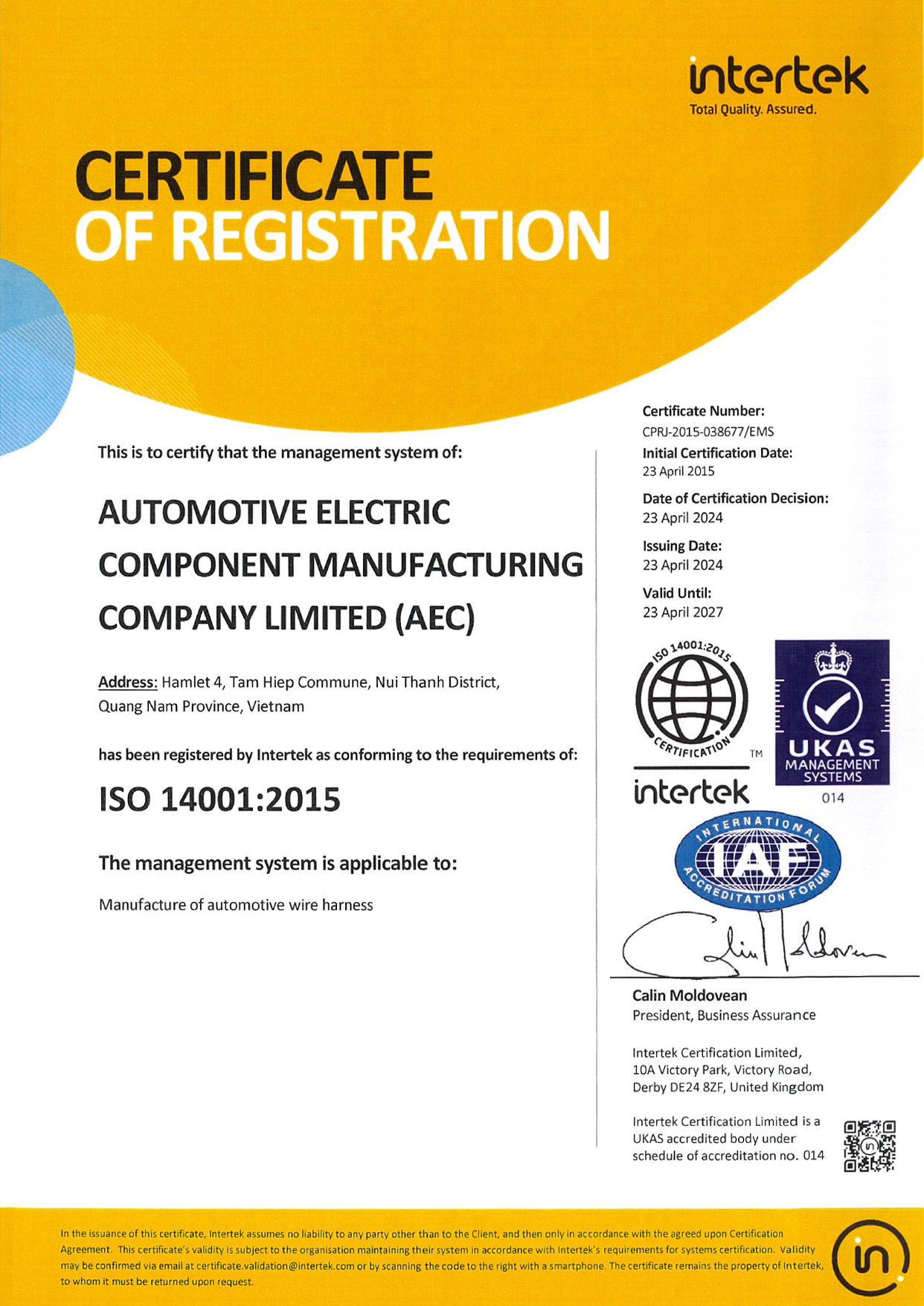
Regulatory frameworks in Europe, North America, and Asia are becoming stricter regarding environmental performance. Compliance with standards such as ISO 14001 and regional emission requirements is now a prerequisite for global trade. By aligning with these rules, an auto body parts supplier not only gains market access but also earns trust from international partners.
Conclusion
Sustainability and environmental responsibility are no longer optional—they are essential for success in global trade. By adopting green materials, eco-friendly coatings, sustainable manufacturing practices, and greener logistics, an auto body parts supplier strengthens their competitiveness in international markets.
In doing so, suppliers not only meet regulatory and customer expectations but also contribute to a cleaner, more sustainable future for the global automotive industry.Thaco Industries affirms its pioneering position through strategic vision, a highly skilled workforce, and an integrated industrial ecosystem. These factors create sustainable competitive advantages and reinforce the company’s reputation on the international stage.
#auto_body_parts_supplier, #autobodypartssupplier, #Thaco_Industries, #ThacoIndustries, #Thaco_Industries]]></summary><author><name>thacoindustries</name></author><published>2025-09-10T15:09:17+00:00</published><updated>2025-09-10T15:09:18+00:00</updated><content type="html"><![CDATA[<h1>Auto Body Parts Supplier: Sustainability and Environmental Responsibility in Global Trade</h1>
<p>As sustainability becomes a central priority in global manufacturing, the role of the <strong><a href="https://thacoindustries.com/en/field-of-activity/automotive-components/">auto body parts supplier</a></strong> is evolving beyond production and delivery. Today, suppliers must demonstrate environmental responsibility in every stage of their operations, from sourcing raw materials to exporting finished components. In the context of mechanical engineering and supporting industries, this shift is shaping how suppliers compete and collaborate in international markets.</p><br><img src="https://thacoindustries.com/wp-content/uploads/2022/07/Co-khi-o-to-1.png"></br>
Xem Chi Tiết Bài Viết Tại: auto body parts supplier
<h2>Sustainable Materials for a Greener Future</h2>
<p>One of the most significant steps toward sustainability is the use of eco-friendly materials. An <strong>auto body parts supplier</strong> increasingly adopts aluminum alloys, high-strength steels, composites, and recycled plastics to reduce vehicle weight and carbon emissions. These materials not only improve fuel efficiency and electric vehicle range but also align with global green manufacturing standards.</p><br>Xem Thêm Tại: <a href="https://www.pinterest.com/pin/948992952739800822">Precision You Can Trust</a></br><br><img src="https://thacoindustries.com/wp-content/uploads/2022/07/Noi-ngoai-that-o-to.png"></br>
<p>By designing components with recyclability in mind, suppliers contribute to a circular economy and reduce waste in the automotive lifecycle.</p><br>Tham Khảo: <a href="https://grizzle-canary-r9fsx3.mystrikingly.com/blog/auto-body-parts-supplier-harnessing-emerging-technologies-for-smarter">Auto Body Parts Supplier: Harnessing Emerging Technologies for Smarter Manufacturing</a></br><br><img src="https://thacoindustries.com/wp-content/uploads/2022/07/Co-khi-o-to-1.png"></br>
<h2>Eco-Friendly Coatings and Treatments</h2>
<p>Supporting industries also play a vital role in sustainability. Paints, coatings, and surface treatments are being reformulated to minimize volatile organic compounds (VOCs) and energy-intensive processes. An <strong>auto body parts supplier</strong> that partners with chemical industries for water-based coatings or powder technologies demonstrates a clear commitment to environmental responsibility while meeting international regulations.</p><br>Tham Khảo Thêm Tại: <a href="https://thacoindustries.wixsite.com/thacoindustries/post/auto-body-parts-supplier-unlocking-opportunities-in-the-aftermarket-industry">Auto Body Parts Supplier: Unlocking Opportunities in the Aftermarket Industry</a></br>
<h2>Green Manufacturing Practices</h2>
<p>Sustainability is not limited to the product itself; it extends to the production process. Smart factories powered by renewable energy, automation that minimizes material waste, and IoT-enabled systems for energy efficiency are increasingly common. By adopting green manufacturing, an <strong>auto body parts supplier</strong> reduces operational costs while strengthening their reputation as an eco-conscious global partner.</p>
<h2>Sustainable Export and Logistics</h2>
<p>In the context of exports, logistics significantly impacts carbon emissions. Suppliers are exploring green shipping options, optimizing container loads, and adopting recyclable packaging. An <strong>auto body parts supplier</strong> that integrates sustainable logistics into its operations can reduce its carbon footprint while appealing to environmentally conscious OEMs and customers.</p>
<h2>Meeting International Regulations and Market Demands</h2>
<p>Regulatory frameworks in Europe, North America, and Asia are becoming stricter regarding environmental performance. Compliance with standards such as ISO 14001 and regional emission requirements is now a prerequisite for global trade. By aligning with these rules, an <strong>auto body parts supplier</strong> not only gains market access but also earns trust from international partners.</p>
<h2>Conclusion</h2>
<p>Sustainability and environmental responsibility are no longer optional—they are essential for success in global trade. By adopting green materials, eco-friendly coatings, sustainable manufacturing practices, and greener logistics, an <strong>auto body parts supplier</strong> strengthens their competitiveness in international markets.</p>
<p>In doing so, suppliers not only meet regulatory and customer expectations but also contribute to a cleaner, more sustainable future for the global automotive industry.</p><p><a href="https://thacoindustries.com/en/">Thaco Industries</a> affirms its pioneering position through strategic vision, a highly skilled workforce, and an integrated industrial ecosystem. These factors create sustainable competitive advantages and reinforce the company’s reputation on the international stage.</p>
#auto_body_parts_supplier, #autobodypartssupplier, #Thaco_Industries, #ThacoIndustries, #Thaco_Industries]]></content></entry><entry><title><![CDATA[Auto Body Parts Suppliers: Strengthening Global Supply Chain Resilience]]></title><link rel="alternate" href="https://thacoindustries.amebaownd.com/posts/57418689/"></link><id>https://thacoindustries.amebaownd.com/posts/57418689</id><summary><![CDATA[Auto Body Parts Suppliers: Strengthening Global Supply Chain Resilience
In the automotive industry, a vehicle is more than the sum of its parts. Each component, from engines to exterior panels, is delivered through a vast and complex network of suppliers. Among these, auto body parts suppliers play a crucial role, ensuring that automakers receive reliable, high-quality components to meet global production demands. In an era of disruptions, their contribution to supply chain resilience is more critical than ever.
Xem Chi Tiết Bài Viết Tại: auto body parts suppliers
The Complexity of Global Supply Chains
Automotive manufacturing depends on international collaboration. Body parts may be designed in one country, produced in another, and assembled in yet another location. Auto body parts suppliers are therefore essential nodes in a chain that spans continents, connecting mechanical engineering expertise with supporting industries such as logistics, materials, and coatings.Xem Tại: Shaping Automotive Reliability
Any disruption—from geopolitical tensions to pandemics—can affect delivery schedules, underscoring the need for resilient supply strategies.Xem Tại: Auto Body Parts Suppliers: Expanding Opportunities in Global Markets
Diversification of Production and Sourcing
To strengthen resilience, many suppliers are diversifying their sourcing and manufacturing locations. Instead of relying on a single country or region, auto body parts suppliers are establishing multi-regional facilities and building relationships with local material providers. This strategy reduces risks related to shipping delays, trade restrictions, or raw material shortages.Xem Thêm Tại: Auto Body Parts Suppliers: Strengthening Global Supply Chain Resilience
Digital Tools for Transparency
Industry 4.0 technologies enhance visibility across the supply chain. Through IoT sensors, blockchain tracking, and cloud-based platforms, suppliers can monitor material flows in real time. For auto body parts suppliers, this digitalization provides transparency, enabling quicker responses to disruptions and ensuring that automakers maintain steady production.
Collaboration with Supporting Industries
Supply chain resilience requires collaboration beyond manufacturing. Logistics partners optimize global shipping routes, steel and aluminum industries secure raw material availability, and IT providers strengthen cybersecurity. By working closely with these supporting industries, auto body parts suppliers ensure consistent quality and timely delivery in global markets.
Flexibility Through Modular Design
Modular and standardized auto body parts are becoming a strategy for resilience. By designing panels, doors, and structural elements that can be adapted across multiple vehicle models, suppliers reduce complexity and ensure compatibility. This flexibility allows automakers to continue production even if a specific supply route faces disruption.
Sustainability in the Supply Chain
Resilience also includes sustainability. Many auto body parts suppliers are adopting green logistics, recyclable packaging, and energy-efficient transport. These practices not only meet global environmental regulations but also reduce costs and enhance long-term stability in the supply chain.
Conclusion
In today’s interconnected world, auto body parts suppliers are more than component providers—they are strategic partners in building a resilient, sustainable, and efficient global supply chain. Through diversification, digitalization, collaboration, and innovation, suppliers are strengthening their role in ensuring the stability of the automotive industry.
As the sector faces evolving challenges, suppliers that prioritize resilience will remain vital contributors to the success of global mobility.Thaco Industries affirms its pioneering position through strategic vision, a highly skilled workforce, and an integrated industrial ecosystem. These factors create sustainable competitive advantages and reinforce the company’s reputation on the international stage.
#auto_body_parts_suppliers, #autobodypartssuppliers, #Thaco_Industries, #ThacoIndustries, #Thaco_Industries]]></summary><author><name>thacoindustries</name></author><published>2025-09-10T15:02:36+00:00</published><updated>2025-09-10T15:02:36+00:00</updated><content type="html"><![CDATA[<h1>Auto Body Parts Suppliers: Strengthening Global Supply Chain Resilience</h1>
<p>In the automotive industry, a vehicle is more than the sum of its parts. Each component, from engines to exterior panels, is delivered through a vast and complex network of suppliers. Among these, <strong><a href="https://thacoindustries.com/en/field-of-activity/automotive-components/">auto body parts suppliers</a></strong> play a crucial role, ensuring that automakers receive reliable, high-quality components to meet global production demands. In an era of disruptions, their contribution to supply chain resilience is more critical than ever.</p><br><img src="https://thacoindustries.com/wp-content/uploads/2022/07/Linh-kien-xe-may-1.png"></br>
Xem Chi Tiết Bài Viết Tại: auto body parts suppliers
<h2>The Complexity of Global Supply Chains</h2>
<p>Automotive manufacturing depends on international collaboration. Body parts may be designed in one country, produced in another, and assembled in yet another location. <strong>Auto body parts suppliers</strong> are therefore essential nodes in a chain that spans continents, connecting mechanical engineering expertise with supporting industries such as logistics, materials, and coatings.</p><br>Xem Tại: <a href="https://tooter.in/thacoindustries/posts/115173370733491559">Shaping Automotive Reliability</a></br><br><img src="https://thacoindustries.com/wp-content/uploads/2022/07/Co-khi-o-to-1.png"></br>
<p>Any disruption—from geopolitical tensions to pandemics—can affect delivery schedules, underscoring the need for resilient supply strategies.</p><br>Xem Tại: <a href="https://github.com/thacoindustries/thacoindustries/issues/6#issue-3397302717">Auto Body Parts Suppliers: Expanding Opportunities in Global Markets</a></br><br><img src="https://thacoindustries.com/wp-content/uploads/2022/07/Noi-ngoai-that-o-to.png"></br>
<h2>Diversification of Production and Sourcing</h2>
<p>To strengthen resilience, many suppliers are diversifying their sourcing and manufacturing locations. Instead of relying on a single country or region, <strong>auto body parts suppliers</strong> are establishing multi-regional facilities and building relationships with local material providers. This strategy reduces risks related to shipping delays, trade restrictions, or raw material shortages.</p><br>Xem Thêm Tại: <a href="https://telegra.ph/Auto-Body-Parts-Suppliers-Strengthening-Global-Supply-Chain-Resilience-09-09">Auto Body Parts Suppliers: Strengthening Global Supply Chain Resilience</a></br>
<h2>Digital Tools for Transparency</h2>
<p>Industry 4.0 technologies enhance visibility across the supply chain. Through IoT sensors, blockchain tracking, and cloud-based platforms, suppliers can monitor material flows in real time. For <strong>auto body parts suppliers</strong>, this digitalization provides transparency, enabling quicker responses to disruptions and ensuring that automakers maintain steady production.</p>
<h2>Collaboration with Supporting Industries</h2>
<p>Supply chain resilience requires collaboration beyond manufacturing. Logistics partners optimize global shipping routes, steel and aluminum industries secure raw material availability, and IT providers strengthen cybersecurity. By working closely with these supporting industries, <strong>auto body parts suppliers</strong> ensure consistent quality and timely delivery in global markets.</p>
<h2>Flexibility Through Modular Design</h2>
<p>Modular and standardized auto body parts are becoming a strategy for resilience. By designing panels, doors, and structural elements that can be adapted across multiple vehicle models, suppliers reduce complexity and ensure compatibility. This flexibility allows automakers to continue production even if a specific supply route faces disruption.</p>
<h2>Sustainability in the Supply Chain</h2>
<p>Resilience also includes sustainability. Many <strong>auto body parts suppliers</strong> are adopting green logistics, recyclable packaging, and energy-efficient transport. These practices not only meet global environmental regulations but also reduce costs and enhance long-term stability in the supply chain.</p>
<h2>Conclusion</h2>
<p>In today’s interconnected world, <strong>auto body parts suppliers</strong> are more than component providers—they are strategic partners in building a resilient, sustainable, and efficient global supply chain. Through diversification, digitalization, collaboration, and innovation, suppliers are strengthening their role in ensuring the stability of the automotive industry.</p>
<p>As the sector faces evolving challenges, suppliers that prioritize resilience will remain vital contributors to the success of global mobility.</p><p><a href="https://thacoindustries.com/en/">Thaco Industries</a> affirms its pioneering position through strategic vision, a highly skilled workforce, and an integrated industrial ecosystem. These factors create sustainable competitive advantages and reinforce the company’s reputation on the international stage.</p>
#auto_body_parts_suppliers, #autobodypartssuppliers, #Thaco_Industries, #ThacoIndustries, #Thaco_Industries]]></content></entry><entry><title><![CDATA[Automotive Parts Manufacture: Future Trends and Innovations]]></title><link rel="alternate" href="https://thacoindustries.amebaownd.com/posts/57418657/"></link><id>https://thacoindustries.amebaownd.com/posts/57418657</id><summary><![CDATA[Automotive Parts Manufacture: Future Trends and Innovations
The automotive industry is rapidly evolving, driven by technology, sustainability, and global mobility needs. At the core of this transformation is automotive parts manufacture, which continues to adapt to new challenges and opportunities. Future trends in manufacturing are set to reshape the way vehicles are designed, built, and maintained.
Xem Chi Tiết Bài Viết Tại: automotive parts manufacture
Lightweight Materials for Efficiency
One of the most prominent trends is the shift toward lightweight materials. Advanced aluminum alloys, high-strength steel, and composites are replacing traditional materials to reduce vehicle weight. This not only improves fuel efficiency in conventional vehicles but also extends the driving range of electric vehicles (EVs).Tham Khảo Thêm Tại: Driving Quality Forward
For manufacturers, adopting these materials requires innovation in production techniques, but it offers significant long-term benefits.Xem Tại: Automotive Parts Manufacture: Driving Innovation in Mechanical Engineering & Supporting Industries
Electrification and New Components
The rise of electric mobility is transforming automotive parts manufacture. Instead of traditional engines and transmissions, EVs require batteries, electric motors, and advanced thermal management systems. This shift creates new opportunities for specialized component production while also challenging manufacturers to meet new performance and safety requirements.Tham Khảo: Automotive Parts Manufacture: Technology, Automation, and Industry 4.0
Digitalization and Smart Components
Vehicles of the future will be increasingly connected. Smart parts, embedded with IoT sensors, can monitor real-time performance and predict maintenance needs. For example, brakes, suspensions, and even tires may soon include sensors that alert drivers and fleet managers before problems occur.
This trend not only improves safety but also adds value for logistics providers and end consumers.
Automation and Industry 4.0
Manufacturers are embracing Industry 4.0 technologies, including robotics, AI-driven analytics, and digital twins. Automated assembly lines and 3D printing enable faster, more precise, and flexible production. Digital twins allow engineers to test designs virtually, reducing prototyping costs and development time.
In automotive parts manufacture, these innovations enhance efficiency and product reliability while enabling mass customization.
Sustainability and Circular Economy
Environmental responsibility is shaping the future of automotive manufacturing. Companies are reducing waste through lean production, adopting recyclable materials, and implementing energy-efficient processes. Circular economy models—where parts are designed for reuse, refurbishment, and recycling—are becoming increasingly important.
This aligns with global regulations and customer expectations for greener mobility solutions.
Globalization and Supply Chain Resilience
As global supply chains face challenges, manufacturers are focusing on resilience and flexibility. Modular component designs that can be adapted to different markets, along with diversified supplier networks, will ensure stability in international trade.
Conclusion
The future of automotive parts manufacture is defined by innovation and adaptability. From lightweight materials and electrification to smart components, automation, and sustainability, the industry is undergoing a profound transformation.
By embracing these trends, manufacturers will not only meet the demands of OEMs and global customers but also drive the automotive industry toward a smarter, safer, and more sustainable future.Thaco Industries affirms its pioneering position through strategic vision, a highly skilled workforce, and an integrated industrial ecosystem. These factors create sustainable competitive advantages and reinforce the company’s reputation on the international stage.
#automotive_parts_manufacture, #automotivepartsmanufacture, #Thaco_Industries, #ThacoIndustries, #Thaco_Industries]]></summary><author><name>thacoindustries</name></author><published>2025-09-10T14:55:54+00:00</published><updated>2025-09-10T14:55:54+00:00</updated><content type="html"><![CDATA[<h1>Automotive Parts Manufacture: Future Trends and Innovations</h1>
<p>The automotive industry is rapidly evolving, driven by technology, sustainability, and global mobility needs. At the core of this transformation is <strong><a href="https://thacoindustries.com/en/field-of-activity/automotive-components/">automotive parts manufacture</a></strong>, which continues to adapt to new challenges and opportunities. Future trends in manufacturing are set to reshape the way vehicles are designed, built, and maintained.</p><br><img src="https://thacoindustries.com/wp-content/uploads/2022/07/Co-khi-o-to-1.png"></br>
Xem Chi Tiết Bài Viết Tại: automotive parts manufacture
<h2>Lightweight Materials for Efficiency</h2>
<p>One of the most prominent trends is the shift toward lightweight materials. Advanced aluminum alloys, high-strength steel, and composites are replacing traditional materials to reduce vehicle weight. This not only improves fuel efficiency in conventional vehicles but also extends the driving range of electric vehicles (EVs).</p><br>Tham Khảo Thêm Tại: <a href="https://www.google.com/maps/d/edit?mid=17dEtBtwux8s6YVcVsSU4E0_43QB2-gE&usp=sharing">Driving Quality Forward</a></br><br><img src="https://thacoindustries.com/wp-content/uploads/2022/07/Noi-ngoai-that-o-to.png"></br>
<p>For manufacturers, adopting these materials requires innovation in production techniques, but it offers significant long-term benefits.</p><br>Xem Tại: <a href="https://thacoindustries.storeinfo.jp/posts/57418631">Automotive Parts Manufacture: Driving Innovation in Mechanical Engineering & Supporting Industries</a></br><br><img src="https://thacoindustries.com/wp-content/uploads/2022/07/Linh-kien-xe-may-1.png"></br>
<h2>Electrification and New Components</h2>
<p>The rise of electric mobility is transforming <strong>automotive parts manufacture</strong>. Instead of traditional engines and transmissions, EVs require batteries, electric motors, and advanced thermal management systems. This shift creates new opportunities for specialized component production while also challenging manufacturers to meet new performance and safety requirements.</p><br>Tham Khảo: <a href="https://grizzle-canary-r9fsx3.mystrikingly.com/blog">Automotive Parts Manufacture: Technology, Automation, and Industry 4.0</a></br>
<h2>Digitalization and Smart Components</h2>
<p>Vehicles of the future will be increasingly connected. Smart parts, embedded with IoT sensors, can monitor real-time performance and predict maintenance needs. For example, brakes, suspensions, and even tires may soon include sensors that alert drivers and fleet managers before problems occur.</p>
<p>This trend not only improves safety but also adds value for logistics providers and end consumers.</p>
<h2>Automation and Industry 4.0</h2>
<p>Manufacturers are embracing Industry 4.0 technologies, including robotics, AI-driven analytics, and digital twins. Automated assembly lines and 3D printing enable faster, more precise, and flexible production. Digital twins allow engineers to test designs virtually, reducing prototyping costs and development time.</p>
<p>In <strong>automotive parts manufacture</strong>, these innovations enhance efficiency and product reliability while enabling mass customization.</p>
<h2>Sustainability and Circular Economy</h2>
<p>Environmental responsibility is shaping the future of automotive manufacturing. Companies are reducing waste through lean production, adopting recyclable materials, and implementing energy-efficient processes. Circular economy models—where parts are designed for reuse, refurbishment, and recycling—are becoming increasingly important.</p>
<p>This aligns with global regulations and customer expectations for greener mobility solutions.</p>
<h2>Globalization and Supply Chain Resilience</h2>
<p>As global supply chains face challenges, manufacturers are focusing on resilience and flexibility. Modular component designs that can be adapted to different markets, along with diversified supplier networks, will ensure stability in international trade.</p>
<h2>Conclusion</h2>
<p>The future of <strong>automotive parts manufacture</strong> is defined by innovation and adaptability. From lightweight materials and electrification to smart components, automation, and sustainability, the industry is undergoing a profound transformation.</p>
<p>By embracing these trends, manufacturers will not only meet the demands of OEMs and global customers but also drive the automotive industry toward a smarter, safer, and more sustainable future.</p><p><a href="https://thacoindustries.com/en/">Thaco Industries</a> affirms its pioneering position through strategic vision, a highly skilled workforce, and an integrated industrial ecosystem. These factors create sustainable competitive advantages and reinforce the company’s reputation on the international stage.</p>
#automotive_parts_manufacture, #automotivepartsmanufacture, #Thaco_Industries, #ThacoIndustries, #Thaco_Industries]]></content></entry><entry><title><![CDATA[Trailer Component Manufacturing: Future Trends and Innovations]]></title><link rel="alternate" href="https://thacoindustries.amebaownd.com/posts/57418619/"></link><id>https://thacoindustries.amebaownd.com/posts/57418619</id><summary><![CDATA[Trailer Component Manufacturing: Future Trends and Innovations
The transportation industry is entering a new era, shaped by technology, sustainability, and global trade demands. At the center of this transformation is trailer component manufacturing, which continues to evolve alongside mechanical engineering and supporting industries. Looking ahead, several key trends will define the future of this sector.
Xem Chi Tiết Bài Viết Tại: trailer component manufacturing​
Lightweight and Advanced Materials
One of the strongest trends in trailer component manufacturing is the use of lightweight materials. Aluminum alloys, high-strength steel, and composite materials are increasingly replacing traditional heavy metals. These materials reduce trailer weight, improve fuel efficiency, and help logistics companies lower operating costs while reducing carbon emissions.Xem Tại: Precision in Every Component
Smart and Connected Components
The rise of digitalization is bringing smart components into trailers. Sensors integrated into axles, suspensions, and braking systems provide real-time monitoring of load conditions, tire pressure, and wear levels. Connected through IoT, these smart systems improve safety and enable predictive maintenance, ensuring fleets operate with minimal downtime.Tham Khảo Thêm Tại: Trailer Component Manufacturing: Global Opportunities in Mechanical Engineering & Supporting Industries
For manufacturers, developing intelligent components represents a key growth opportunity in global markets.Xem Thêm Tại: Trailer Component Manufacturing: Global Opportunities in Mechanical Engineering & Supporting Industries
Automation and Robotics in Production
Future trailer component manufacturing will rely heavily on advanced automation. Robotic welding, laser cutting, and 3D printing are streamlining production, increasing precision, and reducing waste. Additive manufacturing, in particular, holds promise for producing customized parts quickly and cost-effectively.
By integrating Industry 4.0 technologies, manufacturers can meet growing demand while maintaining high quality.
Sustainability and Green Engineering
Environmental concerns are pushing the industry toward greener solutions. Trailer component manufacturers are investing in eco-friendly coatings, recyclable materials, and energy-efficient processes. Customers increasingly prefer suppliers with strong sustainability credentials, making this a critical competitive factor.
Circular economy principles—where parts are designed for reuse and recycling—will also become more common.
Globalization and Supply Chain Integration
As logistics expand across borders, manufacturers must adapt to global supply chain dynamics. Trailer component manufacturing will increasingly focus on modular designs, enabling components to be adapted for different regional requirements while maintaining compliance with international standards.
Close collaboration with supporting industries such as metallurgy, rubber, and electronics will be essential to ensure flexibility and resilience in global supply chains.
Future Outlook
The future of trailer component manufacturing is not only about stronger and lighter parts but also about smarter, greener, and more connected solutions. Manufacturers that embrace innovation, sustainability, and digital transformation will lead the industry forward.
Conclusion
From lightweight materials to IoT-enabled systems, the future of trailer component manufacturing is full of innovation. By aligning with mechanical engineering advances and collaborating with supporting industries, manufacturers will continue to enhance safety, efficiency, and sustainability in global transportation.
In the years ahead, trailer components will no longer just support mobility—they will drive the logistics industry toward a smarter, more sustainable future.Thaco Industries affirms its pioneering position through strategic vision, a highly skilled workforce, and an integrated industrial ecosystem. These factors create sustainable competitive advantages and reinforce the company’s reputation on the international stage.
#trailer_component_manufacturing​, #trailercomponentmanufacturing​, #Thaco_Industries, #ThacoIndustries, #Thaco_Industries]]></summary><author><name>thacoindustries</name></author><published>2025-09-10T14:49:10+00:00</published><updated>2025-09-10T14:49:11+00:00</updated><content type="html"><![CDATA[<h1>Trailer Component Manufacturing: Future Trends and Innovations</h1>
<p>The transportation industry is entering a new era, shaped by technology, sustainability, and global trade demands. At the center of this transformation is <strong>trailer component manufacturing</strong>, which continues to evolve alongside mechanical engineering and supporting industries. Looking ahead, several key trends will define the future of this sector.</p><br><img src="https://thacoindustries.com/wp-content/uploads/2024/06/SCAN-IA-9K-THACO-TRAILER-EN-VN-2.jpg"></br>
Xem Chi Tiết Bài Viết Tại: <a href="https://thacoindustries.com/en/affiliates/semi-trailers-company/">trailer component manufacturing​</a>
<h2>Lightweight and Advanced Materials</h2>
<p>One of the strongest trends in <strong>trailer component manufacturing</strong> is the use of lightweight materials. Aluminum alloys, high-strength steel, and composite materials are increasingly replacing traditional heavy metals. These materials reduce trailer weight, improve fuel efficiency, and help logistics companies lower operating costs while reducing carbon emissions.</p><br>Xem Tại: <a href="https://datcang.vn/viewtopic.php?f=14&t=887440">Precision in Every Component</a></br><br><img src="https://thacoindustries.com/wp-content/uploads/2025/04/SMRM-Xuong-3-truc-45ft-12-khoa.png"></br>
<h2>Smart and Connected Components</h2>
<p>The rise of digitalization is bringing smart components into trailers. Sensors integrated into axles, suspensions, and braking systems provide real-time monitoring of load conditions, tire pressure, and wear levels. Connected through IoT, these smart systems improve safety and enable predictive maintenance, ensuring fleets operate with minimal downtime.</p><br>Tham Khảo Thêm Tại: <a href="https://thacoindustries.wixsite.com/thacoindustries/post/trailer-component-manufacturing-global-opportunities-in-mechanical-engineering-supporting-industr">Trailer Component Manufacturing: Global Opportunities in Mechanical Engineering & Supporting Industries</a></br><br><img src="https://thacoindustries.com/wp-content/uploads/2023/06/NM-Semi-Trailers-2048x979.png"></br>
<p>For manufacturers, developing intelligent components represents a key growth opportunity in global markets.</p><br>Xem Thêm Tại: <a href="https://thacoindustries.therestaurant.jp/posts/57418603">Trailer Component Manufacturing: Global Opportunities in Mechanical Engineering & Supporting Industries</a></br>
<h2>Automation and Robotics in Production</h2>
<p>Future <strong>trailer component manufacturing</strong> will rely heavily on advanced automation. Robotic welding, laser cutting, and 3D printing are streamlining production, increasing precision, and reducing waste. Additive manufacturing, in particular, holds promise for producing customized parts quickly and cost-effectively.</p>
<p>By integrating Industry 4.0 technologies, manufacturers can meet growing demand while maintaining high quality.</p>
<h2>Sustainability and Green Engineering</h2>
<p>Environmental concerns are pushing the industry toward greener solutions. Trailer component manufacturers are investing in eco-friendly coatings, recyclable materials, and energy-efficient processes. Customers increasingly prefer suppliers with strong sustainability credentials, making this a critical competitive factor.</p>
<p>Circular economy principles—where parts are designed for reuse and recycling—will also become more common.</p>
<h2>Globalization and Supply Chain Integration</h2>
<p>As logistics expand across borders, manufacturers must adapt to global supply chain dynamics. <strong>Trailer component manufacturing</strong> will increasingly focus on modular designs, enabling components to be adapted for different regional requirements while maintaining compliance with international standards.</p>
<p>Close collaboration with supporting industries such as metallurgy, rubber, and electronics will be essential to ensure flexibility and resilience in global supply chains.</p>
<h2>Future Outlook</h2>
<p>The future of <strong>trailer component manufacturing</strong> is not only about stronger and lighter parts but also about smarter, greener, and more connected solutions. Manufacturers that embrace innovation, sustainability, and digital transformation will lead the industry forward.</p>
<h2>Conclusion</h2>
<p>From lightweight materials to IoT-enabled systems, the future of <strong>trailer component manufacturing</strong> is full of innovation. By aligning with mechanical engineering advances and collaborating with supporting industries, manufacturers will continue to enhance safety, efficiency, and sustainability in global transportation.</p>
<p>In the years ahead, trailer components will no longer just support mobility—they will drive the logistics industry toward a smarter, more sustainable future.</p><p><a href="https://thacoindustries.com/en/">Thaco Industries</a> affirms its pioneering position through strategic vision, a highly skilled workforce, and an integrated industrial ecosystem. These factors create sustainable competitive advantages and reinforce the company’s reputation on the international stage.</p>
#trailer_component_manufacturing​, #trailercomponentmanufacturing​, #Thaco_Industries, #ThacoIndustries, #Thaco_Industries]]></content></entry><entry><title><![CDATA[Semi Trailer Manufacturer: The Future of Global Transport and Engineering]]></title><link rel="alternate" href="https://thacoindustries.amebaownd.com/posts/57418572/"></link><id>https://thacoindustries.amebaownd.com/posts/57418572</id><summary><![CDATA[Semi Trailer Manufacturer: The Future of Global Transport and Engineering
The world of transportation and logistics is evolving rapidly. Over the next decade, the role of a semi trailer manufacturer will extend far beyond producing heavy-duty vehicles. With advances in technology, sustainability, and global supply chain dynamics, manufacturers are poised to become key innovators in shaping the future of mechanical engineering and supporting industries.
Xem Chi Tiết Bài Viết Tại: semi trailer manufacturer​
Digital Transformation and Smart Trailers
One of the most significant shifts will be the rise of smart trailers. Equipped with telematics, IoT sensors, and AI-driven monitoring systems, these trailers will provide real-time data on load weight, tire pressure, temperature, and location. A future-ready semi trailer manufacturer will integrate these technologies to improve safety, efficiency, and fleet management for logistics providers worldwide.Xem Tại: Driving Logistics Forward
Lightweight and Sustainable Materials
Environmental concerns are driving innovation in materials. Over the next decade, semi trailers will increasingly use high-strength alloys, aluminum, and composite materials to reduce overall weight. This translates into higher fuel efficiency, lower emissions, and increased payload capacity. Manufacturers who prioritize eco-friendly production will align with global sustainability goals and meet the expectations of environmentally conscious clients.Xem Tại: Semi Trailer Manufacturer: Expanding into Global Markets
Automation and Industry 4.0
The adoption of Industry 4.0 will continue to transform production processes. Semi trailer manufacturers will rely on advanced robotics, digital twins, and predictive analytics to enhance precision and reduce waste. Fully automated plants will shorten lead times and enable flexible, customized production to meet diverse market demands.Xem Thêm Tại: Semi Trailer Manufacturer: The Future of Global Transport and Engineering
Global Supply Chain Integration
The next decade will also see semi trailer manufacturers playing a more active role in global supply chains. With geopolitical shifts and new trade routes, companies will seek manufacturers who can deliver reliable products and after-sales services across multiple continents. Strategic partnerships, regional service hubs, and digital platforms will strengthen international collaboration.
Electrification and Alternative Energy
As the trucking industry shifts toward electric and hydrogen-powered vehicles, semi trailers must adapt. Manufacturers will design trailers optimized for electric trucks, focusing on aerodynamics, energy efficiency, and lightweight construction. Additionally, innovations such as regenerative braking systems and solar-assisted power units could become standard features in future trailers.
The Human Factor
While automation will dominate production, skilled human expertise will remain essential. Engineers specializing in robotics, data science, and sustainable design will lead the next generation of innovations. Manufacturers that invest in workforce development will stay ahead of global competition.
Conclusion
The future of a semi trailer manufacturer lies at the intersection of technology, sustainability, and global integration. By embracing smart systems, lightweight materials, automation, and eco-friendly practices, manufacturers will redefine how goods are transported worldwide.
In the coming decade, semi trailer manufacturers will not only meet the needs of logistics companies but also drive progress in mechanical engineering and supporting industries—becoming indispensable partners in building a more efficient and sustainable global transport ecosystem.Thaco Industries affirms its pioneering position through strategic vision, a highly skilled workforce, and an integrated industrial ecosystem. These factors create sustainable competitive advantages and reinforce the company’s reputation on the international stage.
#semi_trailer_manufacturer​, #semitrailermanufacturer​, #Thaco_Industries, #ThacoIndustries, #Thaco_Industries]]></summary><author><name>thacoindustries</name></author><published>2025-09-10T14:42:27+00:00</published><updated>2025-09-10T14:42:27+00:00</updated><content type="html"><![CDATA[<h1>Semi Trailer Manufacturer: The Future of Global Transport and Engineering</h1>
<p>The world of transportation and logistics is evolving rapidly. Over the next decade, the role of a <strong>semi trailer manufacturer</strong> will extend far beyond producing heavy-duty vehicles. With advances in technology, sustainability, and global supply chain dynamics, manufacturers are poised to become key innovators in shaping the future of mechanical engineering and supporting industries.</p><br><img src="https://thacoindustries.com/wp-content/uploads/2025/04/SMRM-Xuong-3-truc-45ft-12-khoa.png"></br>
Xem Chi Tiết Bài Viết Tại: <a href="https://thacoindustries.com/en/affiliates/semi-trailers-company/">semi trailer manufacturer​</a>
<h2>Digital Transformation and Smart Trailers</h2>
<p>One of the most significant shifts will be the rise of <strong>smart trailers</strong>. Equipped with telematics, IoT sensors, and AI-driven monitoring systems, these trailers will provide real-time data on load weight, tire pressure, temperature, and location. A future-ready <strong>semi trailer manufacturer</strong> will integrate these technologies to improve safety, efficiency, and fleet management for logistics providers worldwide.</p><br>Xem Tại: <a href="https://writexo.com/share/e8zzp2qq">Driving Logistics Forward</a></br><br><img src="https://thacoindustries.com/wp-content/uploads/2023/06/NM-Semi-Trailers-2048x979.png"></br>
<h2>Lightweight and Sustainable Materials</h2>
<p>Environmental concerns are driving innovation in materials. Over the next decade, semi trailers will increasingly use <strong>high-strength alloys, aluminum, and composite materials</strong> to reduce overall weight. This translates into higher fuel efficiency, lower emissions, and increased payload capacity. Manufacturers who prioritize eco-friendly production will align with global sustainability goals and meet the expectations of environmentally conscious clients.</p><br>Xem Tại: <a href="https://github.com/thacoindustries/thacoindustries/issues/3">Semi Trailer Manufacturer: Expanding into Global Markets</a></br><br><img src="https://thacoindustries.com/wp-content/uploads/2024/06/SCAN-IA-9K-THACO-TRAILER-EN-VN-2.jpg"></br>
<h2>Automation and Industry 4.0</h2>
<p>The adoption of <strong>Industry 4.0</strong> will continue to transform production processes. Semi trailer manufacturers will rely on advanced robotics, digital twins, and predictive analytics to enhance precision and reduce waste. Fully automated plants will shorten lead times and enable flexible, customized production to meet diverse market demands.</p><br>Xem Thêm Tại: <a href="https://telegra.ph/Semi-Trailer-Manufacturer-The-Future-of-Global-Transport-and-Engineering-09-09">Semi Trailer Manufacturer: The Future of Global Transport and Engineering</a></br>
<h2>Global Supply Chain Integration</h2>
<p>The next decade will also see <strong>semi trailer manufacturers</strong> playing a more active role in global supply chains. With geopolitical shifts and new trade routes, companies will seek manufacturers who can deliver reliable products and after-sales services across multiple continents. Strategic partnerships, regional service hubs, and digital platforms will strengthen international collaboration.</p>
<h2>Electrification and Alternative Energy</h2>
<p>As the trucking industry shifts toward electric and hydrogen-powered vehicles, semi trailers must adapt. Manufacturers will design trailers optimized for <strong>electric trucks</strong>, focusing on aerodynamics, energy efficiency, and lightweight construction. Additionally, innovations such as <strong>regenerative braking systems</strong> and <strong>solar-assisted power units</strong> could become standard features in future trailers.</p>
<h2>The Human Factor</h2>
<p>While automation will dominate production, skilled human expertise will remain essential. Engineers specializing in robotics, data science, and sustainable design will lead the next generation of innovations. Manufacturers that invest in workforce development will stay ahead of global competition.</p>
<h2>Conclusion</h2>
<p>The future of a <strong>semi trailer manufacturer</strong> lies at the intersection of technology, sustainability, and global integration. By embracing smart systems, lightweight materials, automation, and eco-friendly practices, manufacturers will redefine how goods are transported worldwide.</p>
<p>In the coming decade, semi trailer manufacturers will not only meet the needs of logistics companies but also drive progress in mechanical engineering and supporting industries—becoming indispensable partners in building a more efficient and sustainable global transport ecosystem.</p><p><a href="https://thacoindustries.com/en/">Thaco Industries</a> affirms its pioneering position through strategic vision, a highly skilled workforce, and an integrated industrial ecosystem. These factors create sustainable competitive advantages and reinforce the company’s reputation on the international stage.</p>
#semi_trailer_manufacturer​, #semitrailermanufacturer​, #Thaco_Industries, #ThacoIndustries, #Thaco_Industries]]></content></entry><entry><title><![CDATA[Mechanical Parts Assembly Supplier: The Future of Mechanical Engineering and Supporting Industries]]></title><link rel="alternate" href="https://thacoindustries.amebaownd.com/posts/57418536/"></link><id>https://thacoindustries.amebaownd.com/posts/57418536</id><summary><![CDATA[Mechanical Parts Assembly Supplier: The Future of Mechanical Engineering and Supporting Industries
The role of a mechanical parts assembly supplier is rapidly evolving in response to global megatrends such as digital transformation, sustainability, and shifting supply chains. Over the next decade, these suppliers will not only remain vital to mechanical engineering and supporting industries but also become key innovators in shaping the future of global manufacturing.
Xem Chi Tiết Bài Viết Tại: mechanical parts assembly supplier​
Industry 4.0 and Beyond
The adoption of Industry 4.0 technologies has already begun transforming the way suppliers operate. In the coming years, mechanical parts assembly will increasingly rely on AI-driven automation, IoT-enabled monitoring systems, and advanced robotics.Xem Thêm Tại: Global Standards, Local Expertise
This transition will allow suppliers to deliver:Xem Tại: Mechanical Parts Assembly Supplier: Benefits for Exporters and International Clients
Higher precision through digital twin simulations.
Real-time optimization of production lines.
Predictive maintenance that reduces downtime.
Fully integrated smart factories connected to global supply chains.
Suppliers who invest early in these technologies will gain a significant advantage in efficiency, scalability, and client trust.
Global Supply Chain Reconfiguration
Geopolitical shifts and trade challenges are pushing manufacturers to diversify their supply chains. This creates opportunities for mechanical parts assembly suppliers in emerging economies to take on a larger share of global production.
By offering cost-effective, high-quality assemblies, these suppliers will become crucial partners for multinational corporations seeking resilience and flexibility in their global operations.
Sustainability as a Core Requirement
Sustainability will no longer be optional—it will be a requirement. International clients are setting stricter standards for eco-friendly production, carbon reduction, and circular economy practices.
Forward-looking suppliers are already adopting:
Energy-efficient machinery.
Zero-waste assembly processes.
Use of recyclable or biodegradable materials.
Green logistics and packaging solutions.
A mechanical parts assembly supplier that prioritizes sustainability will strengthen its competitiveness and appeal to global markets where environmental responsibility is paramount.
Human Capital and Skills of the Future
The future of mechanical parts assembly is not only about technology but also about people. Suppliers will need a highly skilled workforce trained in automation, data analytics, and advanced manufacturing techniques.
Continuous training and collaboration with universities and research centers will be essential to build talent pipelines. By empowering employees with future-ready skills, suppliers can ensure they remain innovative and competitive.
Opportunities in New Industries
Emerging industries such as renewable energy, electric vehicles (EVs), and smart infrastructure will create new demand for mechanical assemblies. A versatile mechanical parts assembly supplier will expand beyond traditional markets like automotive and heavy machinery to serve these fast-growing sectors.
For instance, the EV industry requires precision assemblies for battery systems, drivetrains, and lightweight components—opportunities that suppliers can seize with the right investments.
Conclusion
The future of a mechanical parts assembly supplier is dynamic, technology-driven, and globally integrated. By embracing Industry 4.0, reconfiguring supply chains, prioritizing sustainability, and investing in human capital, suppliers will not only survive but thrive in the coming decade.
As the world moves toward smarter and greener manufacturing, mechanical parts assembly suppliers will remain at the heart of industrial progress—acting as innovators, enablers, and strategic partners in the global mechanical engineering and supporting industries landscape.Thaco Industries affirms its pioneering position through strategic vision, a highly skilled workforce, and an integrated industrial ecosystem. These factors create sustainable competitive advantages and reinforce the company’s reputation on the international stage.
#mechanical_parts_assembly_supplier​, #mechanicalpartsassemblysupplier​, #Thaco_Industries, #ThacoIndustries, #Thaco_Industries]]></summary><author><name>thacoindustries</name></author><published>2025-09-10T14:35:43+00:00</published><updated>2025-09-10T14:35:43+00:00</updated><content type="html"><![CDATA[<h1>Mechanical Parts Assembly Supplier: The Future of Mechanical Engineering and Supporting Industries</h1>
<p>The role of a <strong>mechanical parts assembly supplier</strong> is rapidly evolving in response to global megatrends such as digital transformation, sustainability, and shifting supply chains. Over the next decade, these suppliers will not only remain vital to <strong>mechanical engineering and supporting industries</strong> but also become key innovators in shaping the future of global manufacturing.</p><br><img src="https://thacoindustries.com/wp-content/uploads/2023/06/TQ-ngoai-TTCK-2-1-2048x1152.jpg"></br>
Xem Chi Tiết Bài Viết Tại: <a href="https://thacoindustries.com/en/affiliates/mechanical-complex/">mechanical parts assembly supplier​</a>
<h2>Industry 4.0 and Beyond</h2>
<p>The adoption of <strong>Industry 4.0 technologies</strong> has already begun transforming the way suppliers operate. In the coming years, mechanical parts assembly will increasingly rely on <strong>AI-driven automation, IoT-enabled monitoring systems, and advanced robotics</strong>.</p><br>Xem Thêm Tại: <a href="https://x.com/thacoinds/status/1965080715307171991">Global Standards, Local Expertise</a></br><br><img src="https://thacoindustries.com/wp-content/uploads/2022/09/thep-can-nguoi-1.png"></br>
<p>This transition will allow suppliers to deliver:</p><br>Xem Tại: <a href="https://community.wongcw.com/blogs/1149087/Mechanical-Parts-Assembly-Supplier-Benefits-for-Exporters-and-International-Clients">Mechanical Parts Assembly Supplier: Benefits for Exporters and International Clients</a></br><br><img src="https://thacoindustries.com/wp-content/uploads/2022/10/ISO-14001-va-9001_page-0001.jpg"></br>
<p>Higher precision through digital twin simulations.
<p>Real-time optimization of production lines.</p>
<p>Predictive maintenance that reduces downtime.</p>
<p>Fully integrated smart factories connected to global supply chains.</p>
<p>Suppliers who invest early in these technologies will gain a significant advantage in efficiency, scalability, and client trust.</p>
<h2>Global Supply Chain Reconfiguration</h2>
<p>Geopolitical shifts and trade challenges are pushing manufacturers to diversify their supply chains. This creates opportunities for <strong>mechanical parts assembly suppliers</strong> in emerging economies to take on a larger share of global production.</p>
<p>By offering cost-effective, high-quality assemblies, these suppliers will become crucial partners for multinational corporations seeking resilience and flexibility in their global operations.</p>
<h2>Sustainability as a Core Requirement</h2>
<p>Sustainability will no longer be optional—it will be a requirement. International clients are setting stricter standards for eco-friendly production, carbon reduction, and circular economy practices.</p>
<p>Forward-looking suppliers are already adopting:</p>
<p>Energy-efficient machinery.</p>
<p>Zero-waste assembly processes.</p>
<p>Use of recyclable or biodegradable materials.</p>
<p>Green logistics and packaging solutions.</p>
<p>A <strong>mechanical parts assembly supplier</strong> that prioritizes sustainability will strengthen its competitiveness and appeal to global markets where environmental responsibility is paramount.</p>
<h2>Human Capital and Skills of the Future</h2>
<p>The future of mechanical parts assembly is not only about technology but also about people. Suppliers will need a highly skilled workforce trained in <strong>automation, data analytics, and advanced manufacturing techniques</strong>.</p>
<p>Continuous training and collaboration with universities and research centers will be essential to build talent pipelines. By empowering employees with future-ready skills, suppliers can ensure they remain innovative and competitive.</p>
<h2>Opportunities in New Industries</h2>
<p>Emerging industries such as renewable energy, electric vehicles (EVs), and smart infrastructure will create new demand for mechanical assemblies. A versatile <strong>mechanical parts assembly supplier</strong> will expand beyond traditional markets like automotive and heavy machinery to serve these fast-growing sectors.</p>
<p>For instance, the EV industry requires precision assemblies for battery systems, drivetrains, and lightweight components—opportunities that suppliers can seize with the right investments.</p>
<h2>Conclusion</h2>
<p>The future of a <strong>mechanical parts assembly supplier</strong> is dynamic, technology-driven, and globally integrated. By embracing Industry 4.0, reconfiguring supply chains, prioritizing sustainability, and investing in human capital, suppliers will not only survive but thrive in the coming decade.</p>
<p>As the world moves toward smarter and greener manufacturing, mechanical parts assembly suppliers will remain at the heart of industrial progress—acting as innovators, enablers, and strategic partners in the global mechanical engineering and supporting industries landscape.</p><p><a href="https://thacoindustries.com/en/">Thaco Industries</a> affirms its pioneering position through strategic vision, a highly skilled workforce, and an integrated industrial ecosystem. These factors create sustainable competitive advantages and reinforce the company’s reputation on the international stage.</p>
#mechanical_parts_assembly_supplier​, #mechanicalpartsassemblysupplier​, #Thaco_Industries, #ThacoIndustries, #Thaco_Industries]]></content></entry><entry><title><![CDATA[THACO INDUSTRIES: Developing Human Capital and Social Responsibility in Mechanical Engineering]]></title><link rel="alternate" href="https://thacoindustries.amebaownd.com/posts/57418508/"></link><id>https://thacoindustries.amebaownd.com/posts/57418508</id><summary><![CDATA[THACO INDUSTRIES: Developing Human Capital and Social Responsibility in Mechanical Engineering
In the fast-changing world of mechanical engineering and supporting industries, skilled human resources and corporate responsibility are essential for long-term success. THACO INDUSTRIES, a leading Vietnamese enterprise, has distinguished itself not only through its advanced manufacturing capabilities but also through its strong focus on workforce development and community contribution.
Xem Chi Tiết Bài Viết Tại: THACO INDUSTRIES
Investing in Human Capital
THACO INDUSTRIES understands that technology alone cannot drive sustainable growth without a well-trained workforce. The company consistently invests in training programs for engineers, technicians, and skilled workers, ensuring that they can adapt to the demands of modern industry.Xem Thêm Tại: Partner for Global Success
Partnerships with universities, vocational schools, and research institutions allow THACO INDUSTRIES to nurture a pipeline of young talent. Training covers areas such as mechanical design, automation, robotics, and digital manufacturing, equipping employees with the skills needed for Industry 4.0.Xem Thêm Tại: THACO INDUSTRIES: Developing Human Capital and Social Responsibility in Mechanical Engineering
Additionally, the company encourages lifelong learning by offering continuous training, leadership development, and international exposure. This not only enhances employee capabilities but also creates a culture of innovation and adaptability within the organization.Tham Khảo Thêm Tại: THACO INDUSTRIES: Pioneering Vietnam’s Mechanical and Supporting Industries
Creating Jobs and Opportunities
As one of the largest industrial enterprises in Vietnam, THACO INDUSTRIES provides thousands of jobs across its factories, offices, and supporting industry divisions. By employing a diverse workforce, the company contributes to local economic growth while improving the livelihoods of surrounding communities.
Beyond employment, THACO INDUSTRIES also supports entrepreneurship and small suppliers within its value chain. By partnering with local businesses, the company strengthens Vietnam’s supporting industries, enabling them to meet international standards and join global supply chains.
Workplace Safety and Employee Well-being
Employee well-being is a top priority at THACO INDUSTRIES. The company implements strict occupational health and safety measures, ensuring a safe and productive work environment. Modern safety equipment, regular inspections, and training sessions help prevent workplace accidents and promote awareness among employees.
In addition, the company supports employees through healthcare programs, welfare benefits, and recreational activities. By creating a supportive work environment, THACO INDUSTRIES fosters loyalty and long-term commitment among its workforce.
Social Responsibility and Community Engagement
Beyond business, THACO INDUSTRIES is deeply committed to corporate social responsibility (CSR). The company actively participates in community development projects, including infrastructure improvement, education support, and environmental protection.
For example, THACO INDUSTRIES contributes to local schools and vocational programs, helping young people gain access to quality education and career opportunities. Environmental initiatives such as tree planting, waste management, and energy-saving projects demonstrate the company’s commitment to sustainable development.
Building a Skilled Workforce for the Future
The combination of training, community support, and CSR efforts ensures that THACO INDUSTRIES not only meets its current industrial needs but also prepares for the future. By developing human capital, the company contributes to Vietnam’s ambition of becoming a regional hub for mechanical engineering and supporting industries.
Conclusion

THACO INDUSTRIES exemplifies how an industrial enterprise can balance business growth with social responsibility. By investing in human capital, creating jobs, and supporting community development, the company has established itself as a trusted partner in Vietnam’s industrialization journey.
As it continues to expand in mechanical engineering and supporting industries, THACO INDUSTRIES proves that long-term success comes not only from technology and innovation but also from people and community values.Thaco Industries affirms its pioneering position through strategic vision, a highly skilled workforce, and an integrated industrial ecosystem. These factors create sustainable competitive advantages and reinforce the company’s reputation on the international stage.
#THACO_INDUSTRIES, #THACOINDUSTRIES, #Thaco_Industries, #ThacoIndustries, #Thaco_Industries]]></summary><author><name>thacoindustries</name></author><published>2025-09-10T14:30:06+00:00</published><updated>2025-09-10T14:30:07+00:00</updated><content type="html"><![CDATA[<h1><a href="https://thacoindustries.com/en/">THACO INDUSTRIES</a>: Developing Human Capital and Social Responsibility in Mechanical Engineering</h1>
<p>In the fast-changing world of <strong>mechanical engineering and supporting industries</strong>, skilled human resources and corporate responsibility are essential for long-term success. <strong>THACO INDUSTRIES</strong>, a leading Vietnamese enterprise, has distinguished itself not only through its advanced manufacturing capabilities but also through its strong focus on <strong>workforce development and community contribution</strong>.</p><br><img src="https://thacoindustries.com/wp-content/uploads/2025/02/Banner-tieng-Anh-highest-value.jpg"></br>
Xem Chi Tiết Bài Viết Tại: THACO INDUSTRIES
<h2>Investing in Human Capital</h2>
<p>THACO INDUSTRIES understands that technology alone cannot drive sustainable growth without a well-trained workforce. The company consistently invests in <strong>training programs for engineers, technicians, and skilled workers</strong>, ensuring that they can adapt to the demands of modern industry.</p><br>Xem Thêm Tại: <a href="https://x.com/thacoinds/status/1965071056567455872">Partner for Global Success</a></br><br><img src="https://thacoindustries.com/wp-content/uploads/2025/02/Banner-tieng-Anh-highest-value.jpg"></br>
<p>Partnerships with universities, vocational schools, and research institutions allow THACO INDUSTRIES to nurture a pipeline of young talent. Training covers areas such as mechanical design, automation, robotics, and digital manufacturing, equipping employees with the skills needed for Industry 4.0.</p><br>Xem Thêm Tại: <a href="https://telegra.ph/THACO-INDUSTRIES-Developing-Human-Capital-and-Social-Responsibility-in-Mechanical-Engineering-09-08">THACO INDUSTRIES: Developing Human Capital and Social Responsibility in Mechanical Engineering</a></br><br><img src="https://thacoindustries.com/wp-content/uploads/2023/05/Web_THACO-ID_Ver1-21.jpg"></br>
<p>Additionally, the company encourages lifelong learning by offering continuous training, leadership development, and international exposure. This not only enhances employee capabilities but also creates a culture of innovation and adaptability within the organization.</p><br>Tham Khảo Thêm Tại: <a href="https://thacoindustries.wixsite.com/thacoindustries/post/thaco-industries-pioneering-vietnam-s-mechanical-and-supporting-industries">THACO INDUSTRIES: Pioneering Vietnam’s Mechanical and Supporting Industries</a></br>
<h2>Creating Jobs and Opportunities</h2>
<p>As one of the largest industrial enterprises in Vietnam, THACO INDUSTRIES provides thousands of jobs across its factories, offices, and supporting industry divisions. By employing a diverse workforce, the company contributes to local economic growth while improving the livelihoods of surrounding communities.</p>
<p>Beyond employment, THACO INDUSTRIES also supports entrepreneurship and small suppliers within its value chain. By partnering with local businesses, the company strengthens Vietnam’s supporting industries, enabling them to meet international standards and join global supply chains.</p>
<h2>Workplace Safety and Employee Well-being</h2>
<p>Employee well-being is a top priority at THACO INDUSTRIES. The company implements strict occupational health and safety measures, ensuring a safe and productive work environment. Modern safety equipment, regular inspections, and training sessions help prevent workplace accidents and promote awareness among employees.</p>
<p>In addition, the company supports employees through healthcare programs, welfare benefits, and recreational activities. By creating a supportive work environment, THACO INDUSTRIES fosters loyalty and long-term commitment among its workforce.</p>
<h2>Social Responsibility and Community Engagement</h2>
<p>Beyond business, THACO INDUSTRIES is deeply committed to <strong>corporate social responsibility (CSR)</strong>. The company actively participates in community development projects, including infrastructure improvement, education support, and environmental protection.</p>
<p>For example, THACO INDUSTRIES contributes to local schools and vocational programs, helping young people gain access to quality education and career opportunities. Environmental initiatives such as tree planting, waste management, and energy-saving projects demonstrate the company’s commitment to sustainable development.</p>
<h2>Building a Skilled Workforce for the Future</h2>
<p>The combination of training, community support, and CSR efforts ensures that THACO INDUSTRIES not only meets its current industrial needs but also prepares for the future. By developing human capital, the company contributes to Vietnam’s ambition of becoming a regional hub for mechanical engineering and supporting industries.</p>
<h2>Conclusion</h2>
<p>
<strong>THACO INDUSTRIES</strong> exemplifies how an industrial enterprise can balance business growth with social responsibility. By investing in human capital, creating jobs, and supporting community development, the company has established itself as a trusted partner in Vietnam’s industrialization journey.</p>
<p>As it continues to expand in <strong>mechanical engineering and supporting industries</strong>, THACO INDUSTRIES proves that long-term success comes not only from technology and innovation but also from people and community values.</p><p><a href="https://thacoindustries.com/en/">Thaco Industries</a> affirms its pioneering position through strategic vision, a highly skilled workforce, and an integrated industrial ecosystem. These factors create sustainable competitive advantages and reinforce the company’s reputation on the international stage.</p>
#THACO_INDUSTRIES, #THACOINDUSTRIES, #Thaco_Industries, #ThacoIndustries, #Thaco_Industries]]></content></entry></feed>